Things to Do in Santiago, Chile – A Complete Guide
I’ll be honest, I never expected to fall this hard for Santiago. Being married to a Chilean whose entire family lives there gave me the “obligation” of visiting the city more times than I can count, and what started as a family trip quickly turned into a love affair with one of the most underrated capitals in South America.
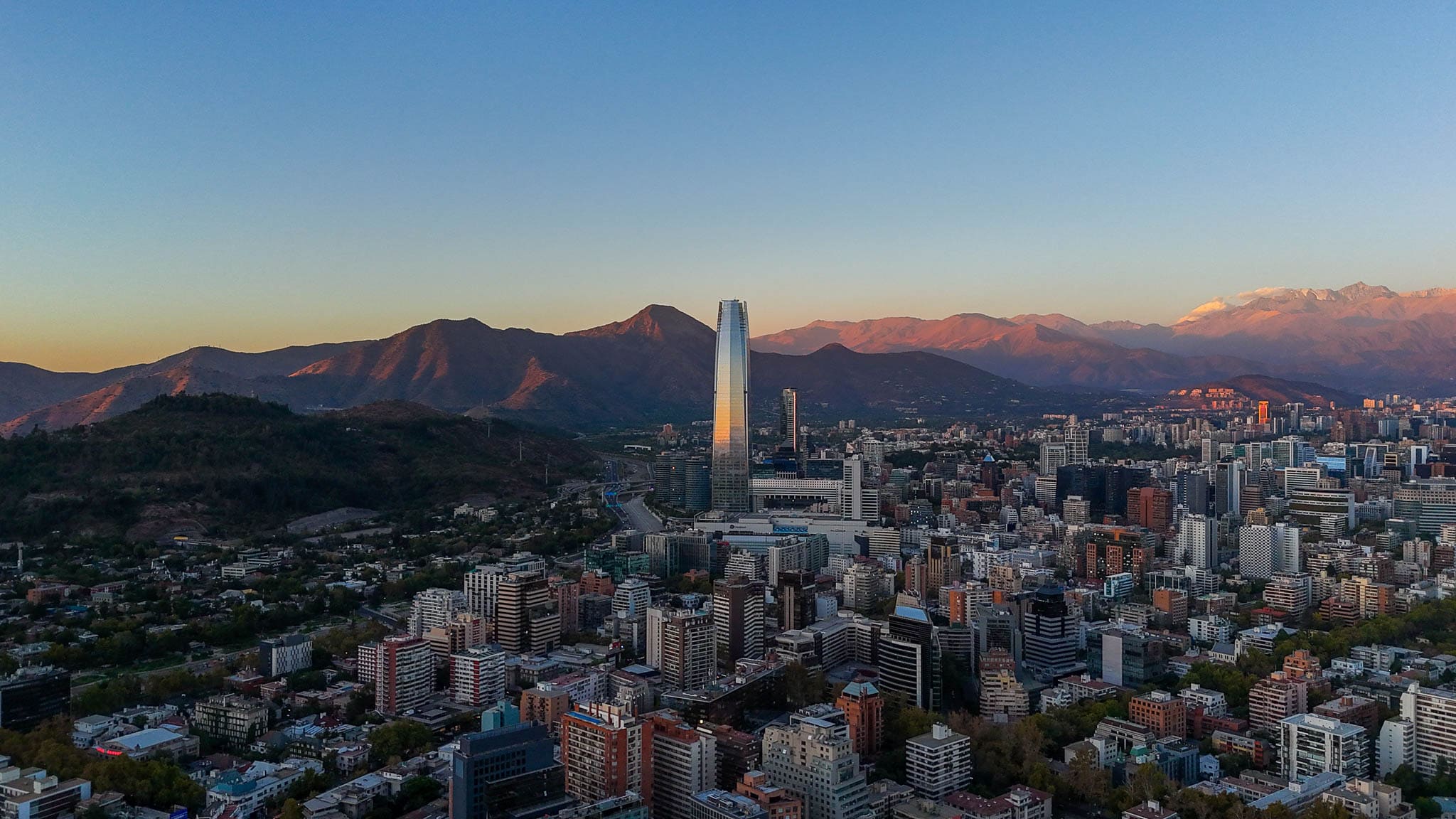
What sets Santiago apart from almost every other city I’ve been to is something you feel the moment you step outside. You are constantly surrounded by mountains. The Andes are always there, framing the city from every angle, and as winter approaches and the peaks start filling with snow, the whole city takes on a completely different and almost magical character. Blue skies, snowcapped mountains in the distance, and a city buzzing with life below. It’s one of those combinations that never gets old.
After years of visits and wandering every corner of the city, here is my honest guide to what to do in Santiago.
Costanera Center and Sky Costanera
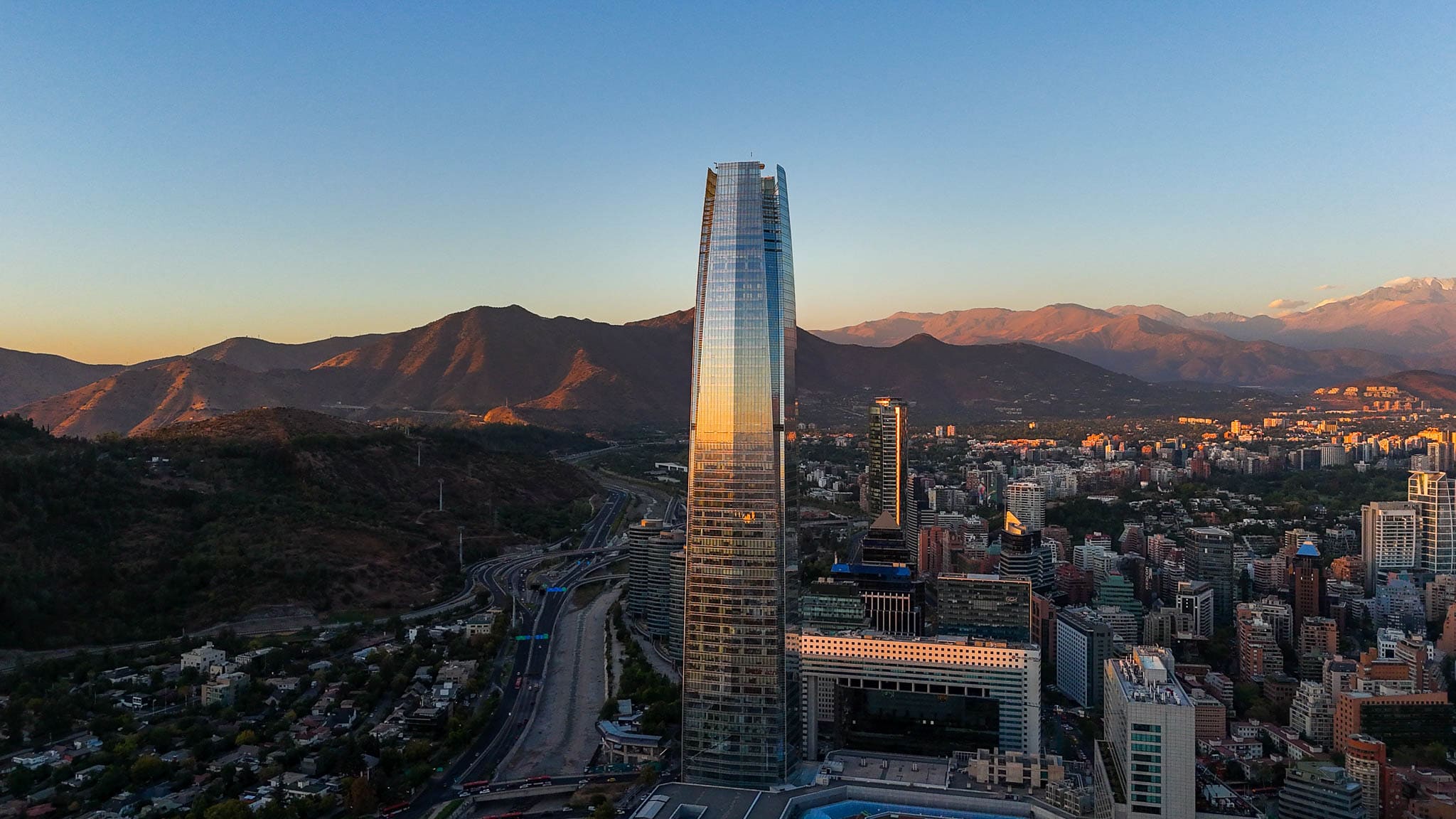
The Costanera Center is impossible to miss. Construction began in 2006, led by the Chilean retail giant Cencosud, with an ambitious vision to build what would become the tallest building in South America. The project faced setbacks, including a complete halt during the 2008 financial crisis that left thousands of workers without jobs, but construction resumed in 2009 and the tower was finally completed in 2014. The result is the Gran Torre Costanera, 300 meters tall and 62 floors, designed by the Argentine architect César Pelli, the same mind behind buildings like the Petronas Towers in Kuala Lumpur. It’s the kind of structure that genuinely changes a city’s skyline.
Inside the complex you’ll find a massive six-floor shopping center with over 300 stores, restaurants, hotels, and offices. But the real reason to visit as a traveler is Sky Costanera, the observation deck on floors 61 and 62. The 360-degree views of Santiago with the Andes in the background are spectacular, especially on a clear winter day when the mountains are completely white.
Entrance prices:
- Adults (+13 years): $23,000 Chilean pesos
- Children (5 to 12 years): $8,000 Chilean pesos
- Infants (0 to 4 years): Free
Cerro San Cristóbal
Very close to the Costanera is Cerro San Cristóbal, one of the most iconic things to do in Santiago and absolutely not to be missed. For 11,500 Chilean pesos you can take the funicular or the cable car up the hill, both of which are an experience in themselves.
What makes San Cristóbal special is the context it sits in. It is part of the Parquemet, the Parque Metropolitano de Santiago, the largest urban park in Latin America and the green lung of the city. The main entrance, called “Oasis”, is accessed through Pedro de Valdivia, just minutes from the metro station of the same name. I recommend taking the funicular up and the cable car down, or vice versa, so you get two completely different perspectives of the city and the park.
Make sure to walk up to the summit and the Virgin statue at the top, where you’ll get one of the best panoramic views of Santiago you’ll find anywhere, mountains included.
Barrio Lastarria
Barrio Lastarria is Santiago’s bohemian heart, and one of my favorite places to simply walk around and get lost. Tucked between the busy downtown core and the Parque Forestal, this neighborhood of cobblestone streets and European-influenced architecture from the early 20th century grew up around the historic Iglesia de la Veracruz and became, over the decades, the cultural and artistic center of the city.
By the late 1960s it had developed a notoriously bohemian character, with underground bars and cultural spaces that also served as early meeting points for Santiago’s LGBTQ+ community. Today it’s home to galleries, wine bars, independent bookshops, antique fairs, and some of the best restaurants in the city. On Thursdays through Sundays there’s an outdoor antique and book market on Calle Lastarria, which is great for browsing. The GAM, the Gabriela Mistral Cultural Center right at the entrance of the barrio, is also worth a visit for its architecture alone, and regularly hosts free theater, dance, and art exhibitions.
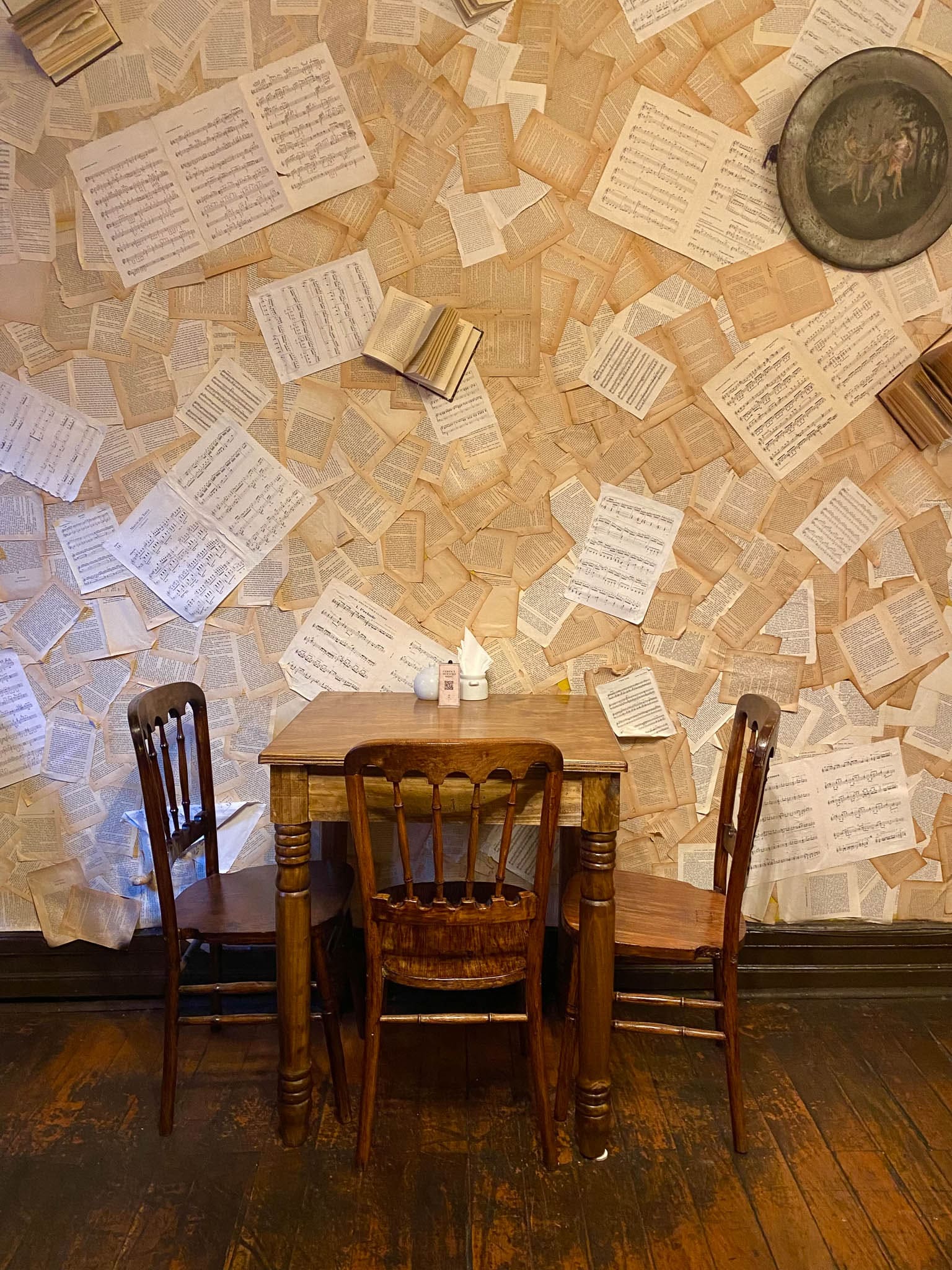
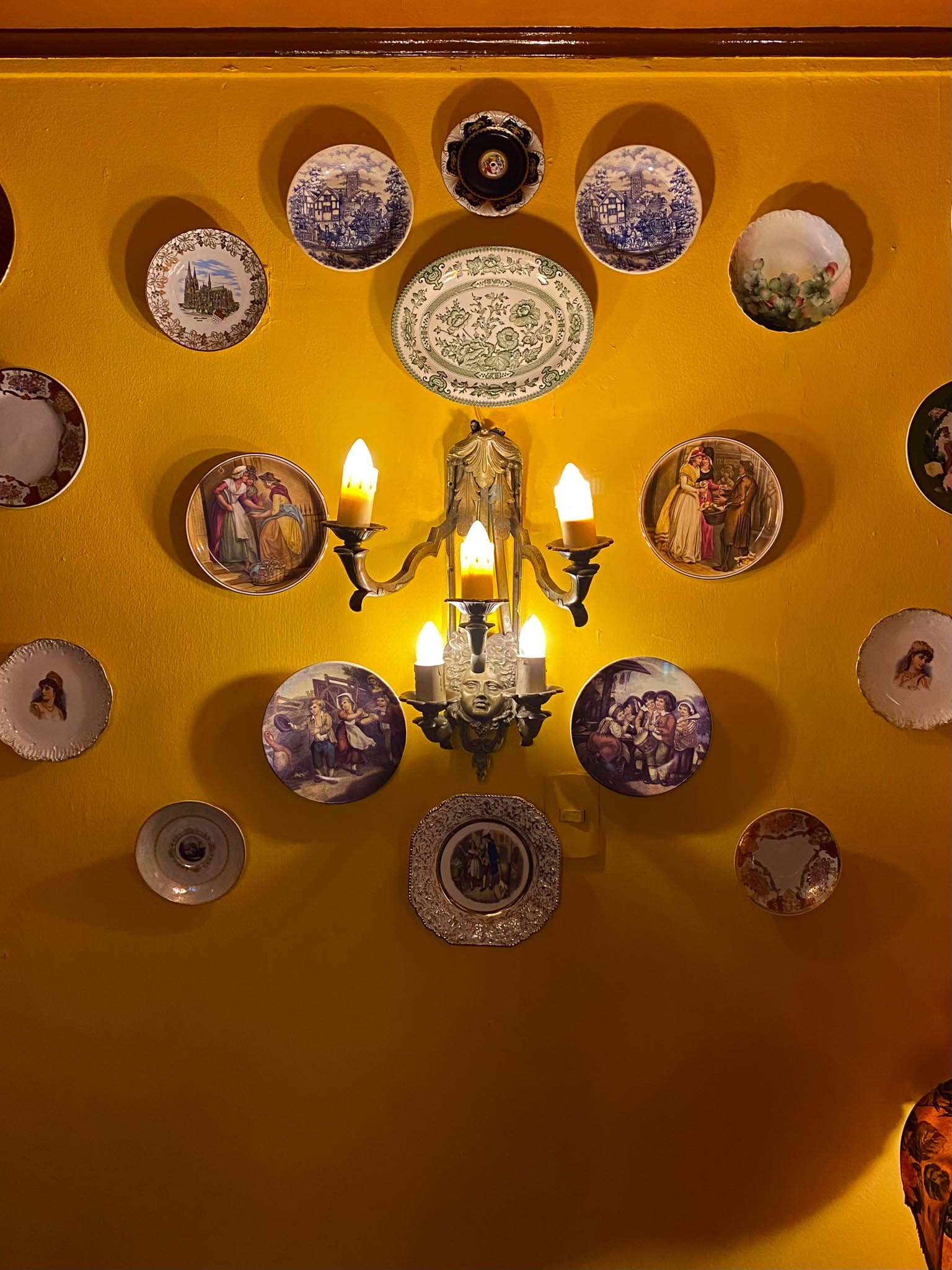
Inside this Barrio there’s also a pretty cool cafe inspired in Alice in wonderland, is all decorated and full of quirky details. The place is called wonderland Cafe
Cerro Santa Lucía
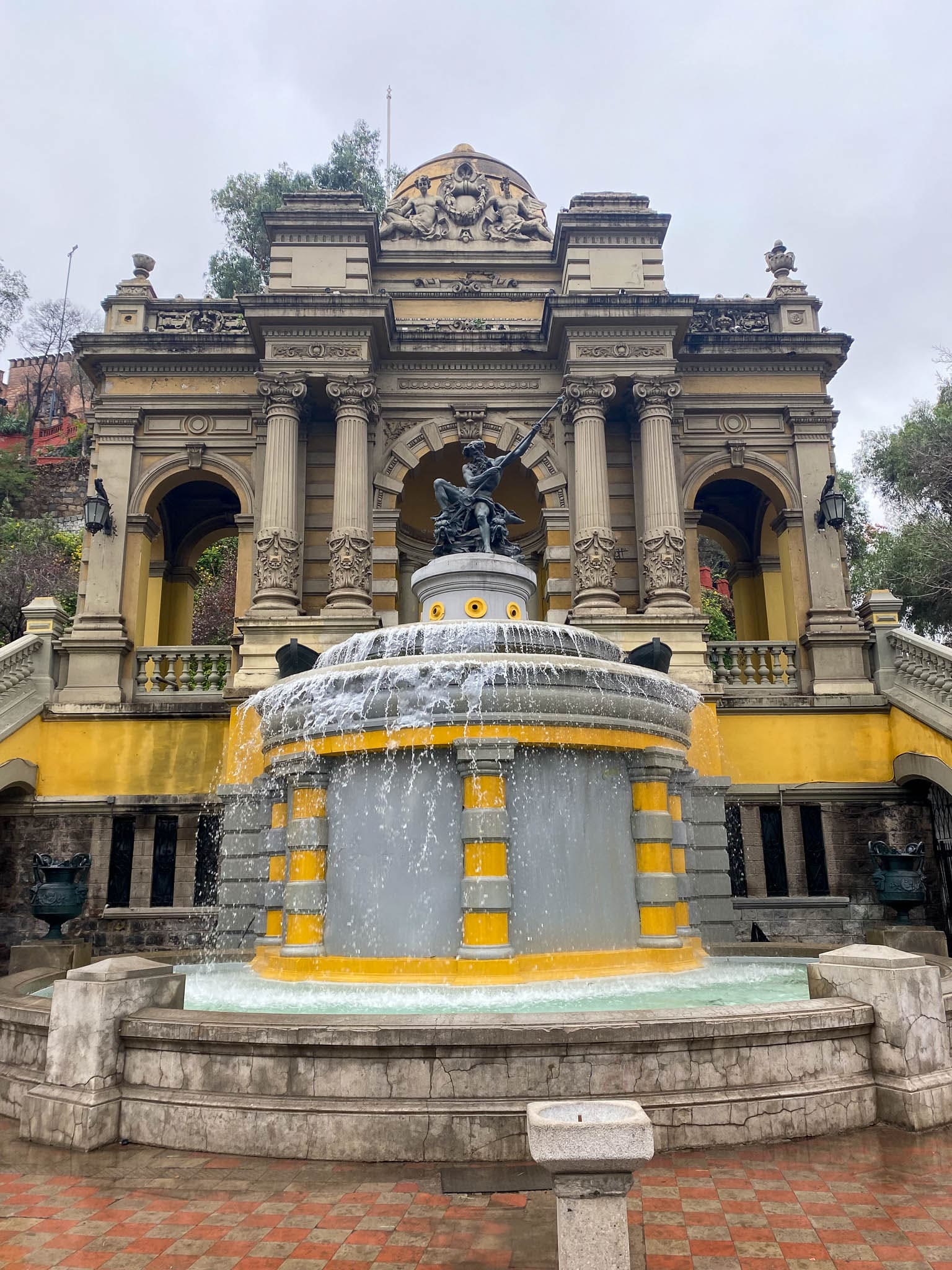
A few blocks from Lastarria you’ll find Cerro Santa Lucía, one of the oldest and most historically loaded spots in the entire city. This rocky hill, originally called Huelén by the Mapuche people (a word meaning “melancholy” or “pain”), is where the Spanish conquistador Pedro de Valdivia officially founded the city of Santiago on February 12, 1541. From its summit, he planned out the city below using the traditional Spanish grid layout.
During the Reconquest period, the hill was converted into a military fortress, and it’s from that era that Castillo Hidalgo comes, a small castle built in 1816 that still stands today at the top of the hill and is now used as an events venue. In 1872, the mayor Benjamín Vicuña Mackenna transformed the hill into a public park, adding winding staircases, fountains, gardens, a Neo-Gothic chapel, and the beautiful Neptune Terrace. That transformation is essentially what you see today.
Entrance is free, though you’ll be asked for your ID at the gate. Don’t go after dark as it has a reputation for muggings at night. The views from the top are genuinely beautiful and the whole walk up through the gardens and terraces feels like stepping back into another century.
Plaza de Armas and the Metropolitan Cathedral
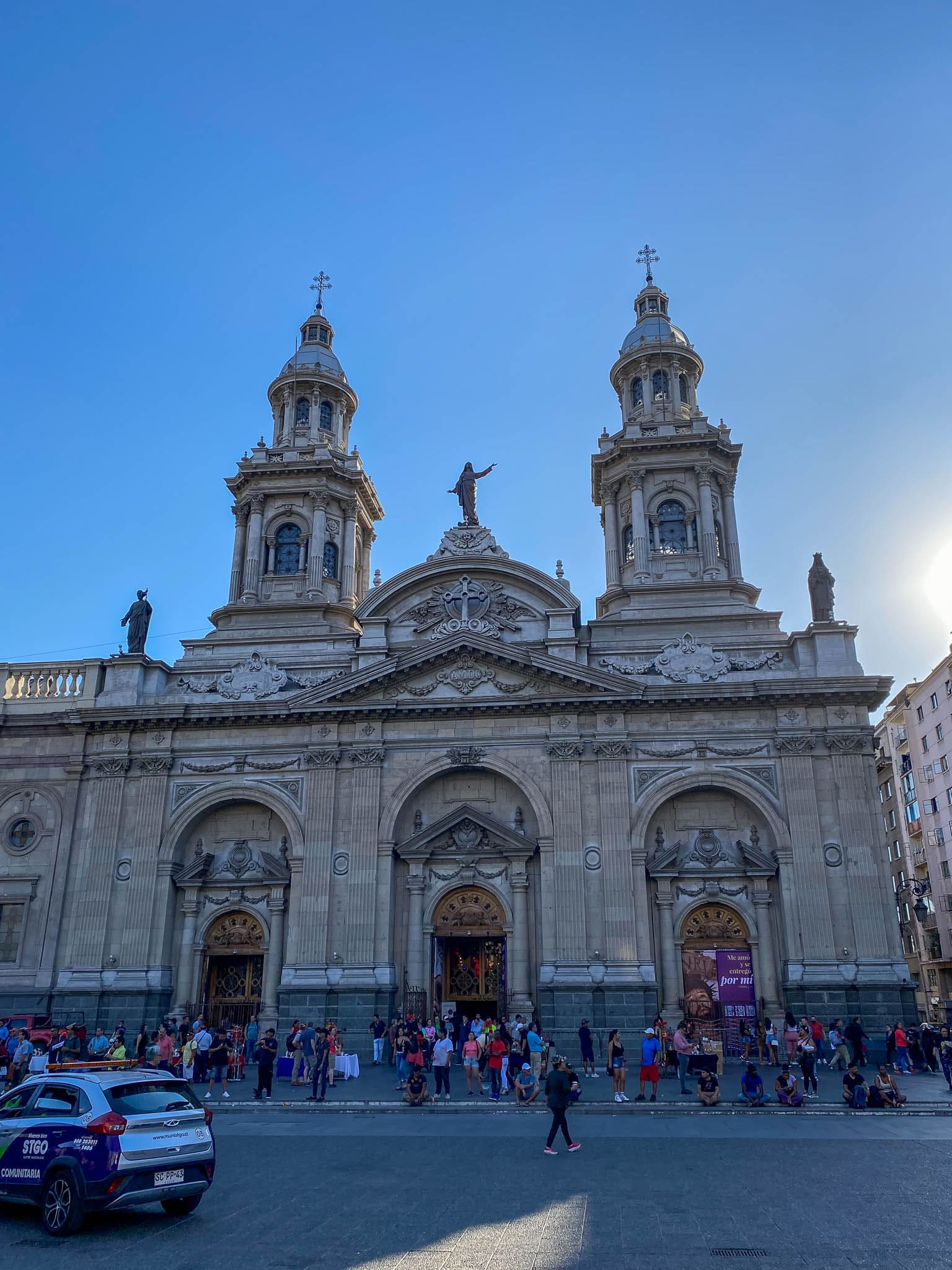
Plaza de Armas is the historic center of Santiago and the heart from which the entire city grew. Every Spanish colonial city in Latin America was built around a main square, and this is Santiago’s original one. Today it’s a lively public space full of chess players, street artists, pigeons, and locals on their lunch breaks.
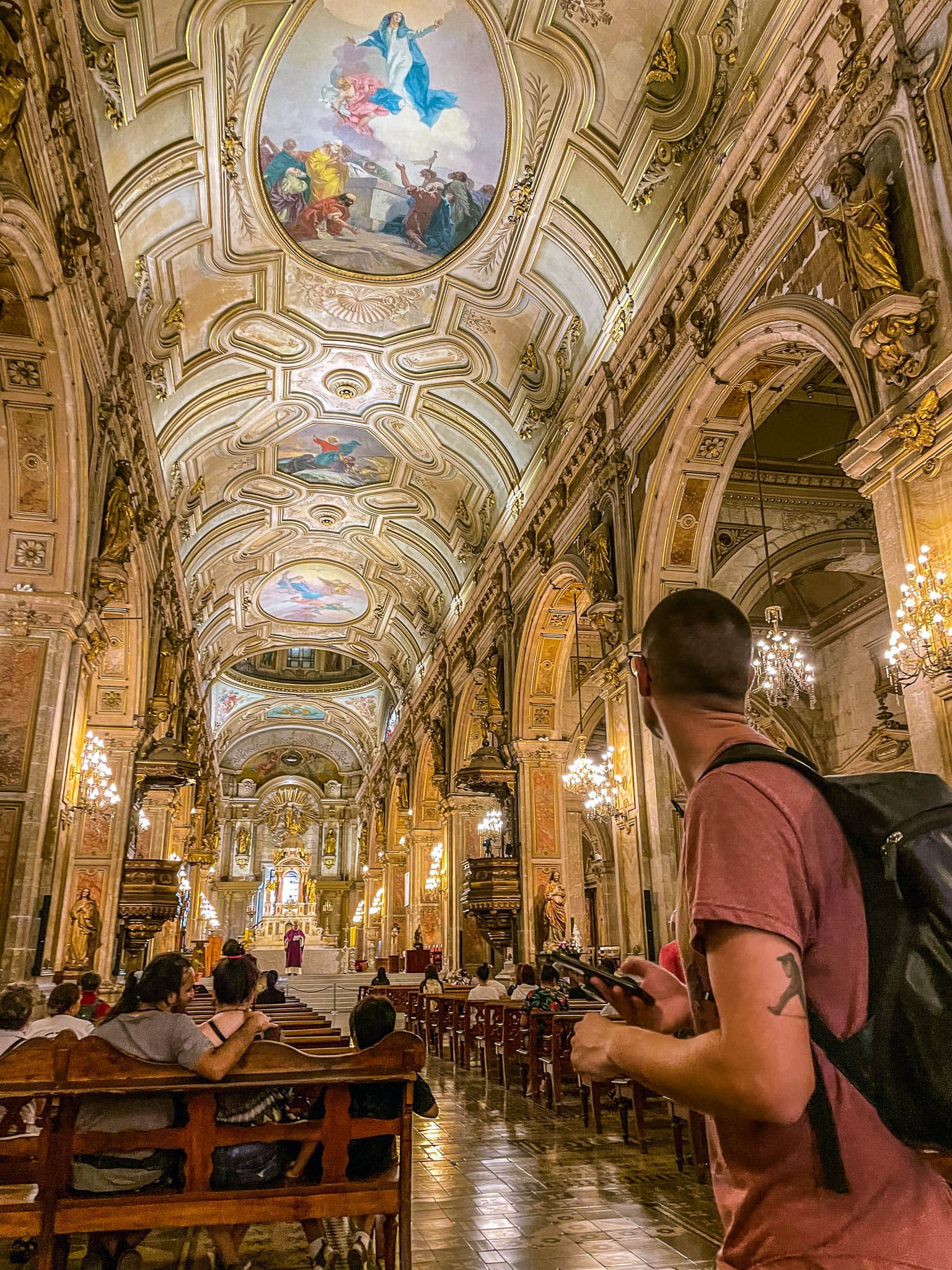
On the western side of the square stands the Catedral Metropolitana, a stunning neoclassical building whose construction began in 1748, making it one of the oldest and most important religious buildings in Chile. Entrance is free and it’s worth going inside to appreciate the scale and the architecture. The surrounding buildings, including the Palacio de la Real Audiencia (now the National History Museum), are equally worth a look.
Palacio La Moneda
La Moneda is one of the most politically charged buildings in South America. Originally built as the colonial mint (hence the name, moneda means coin), it became the presidential palace in 1846 and has been the seat of Chilean government ever since. But what makes it truly significant in modern history is what happened on September 11, 1973, when the military coup led by Augusto Pinochet bombed and stormed the building, and President Salvador Allende died inside. A statue on the north side of the building now commemorates him.
Today you can visit the palace on guided tours arranged in advance, but even from the outside and the surrounding plaza, the building is impressive. The changing of the guard ceremony happens every two days and is worth timing your visit around. The underground plaza beneath La Moneda also connects to the Centro Cultural La Moneda, which hosts free and paid exhibitions throughout the year.
Museo Nacional de Bellas Artes
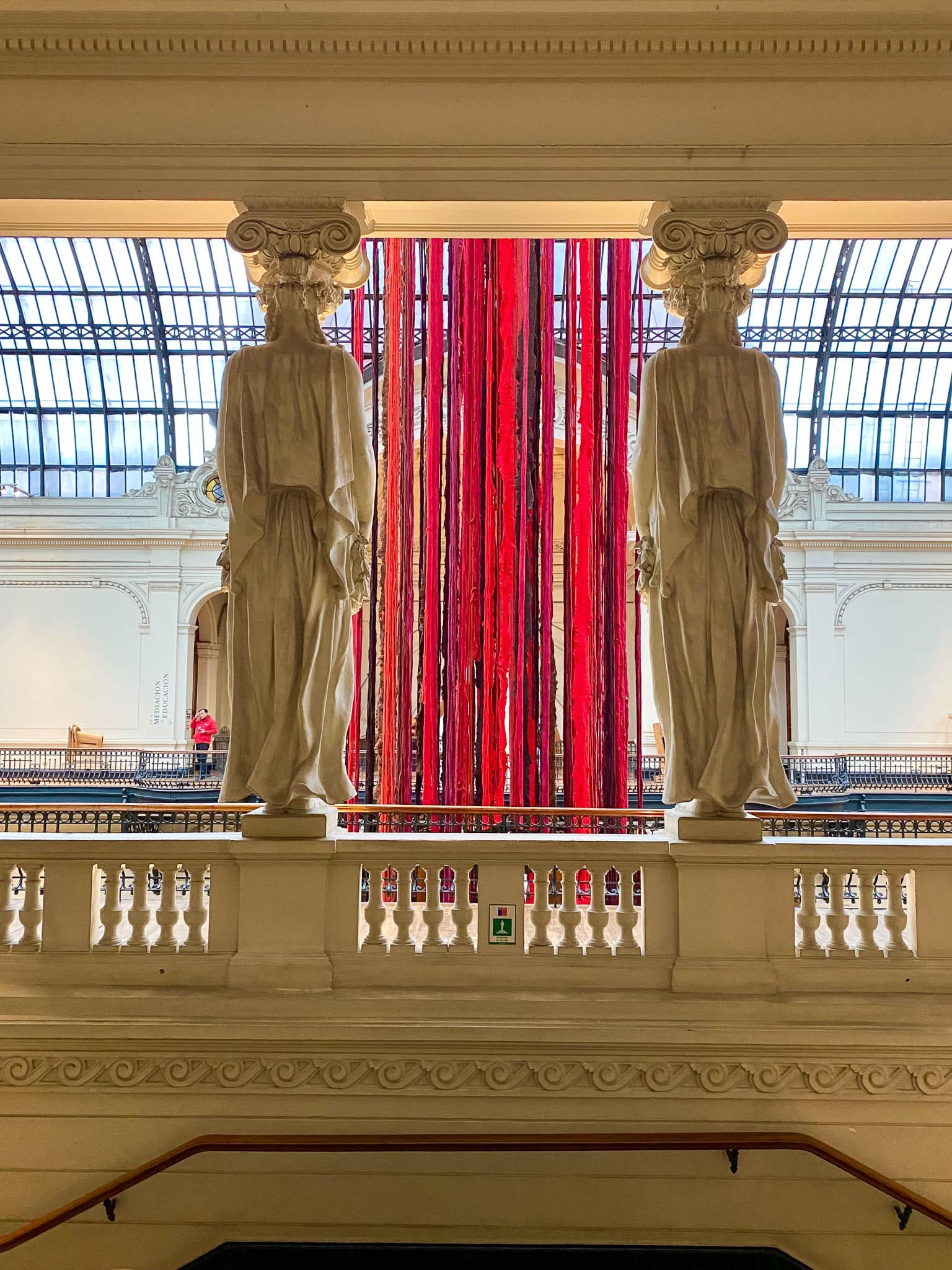
Right in the Parque Forestal, at the edge of Barrio Lastarria, sits the Museo Nacional de Bellas Artes, one of the most beautiful buildings in Santiago. The neoclassical structure, built in 1910 to celebrate the centenary of Chilean independence, houses a permanent collection spanning colonial-era art through to modern Chilean and international works. Entrance is free, which makes it one of those places you can wander into without any particular agenda and end up spending two hours inside without realizing it.
MUT – Mercado Urbano Tobalaba
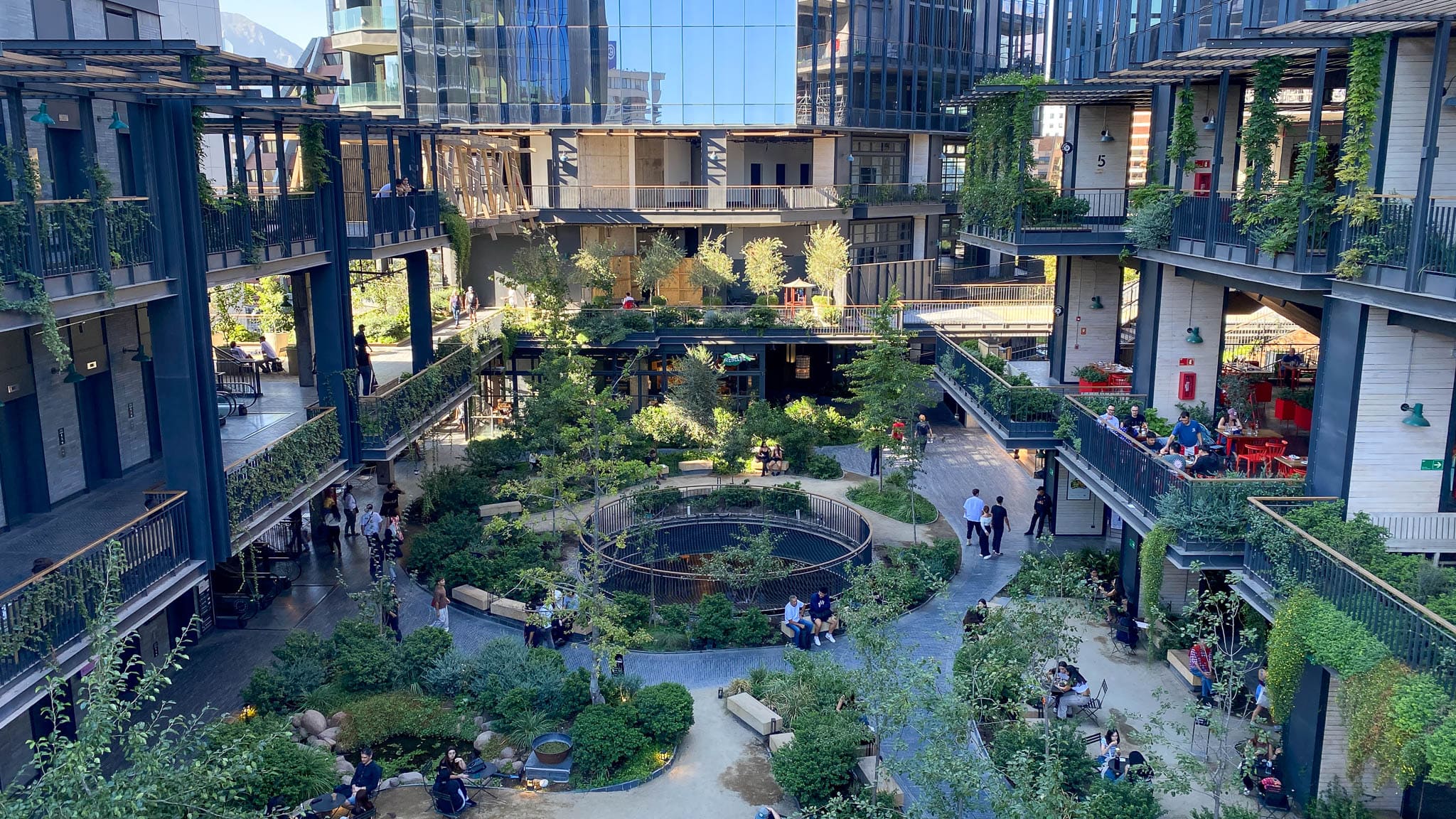
The MUT is one of those places that’s hard to explain until you’ve walked through it. Opened in 2020, it’s an alternative shopping and food complex spread across an unusual series of interconnected buildings and outdoor spaces near the Tobalaba metro station. It’s nothing like a conventional mall. The layout is deliberately labyrinthine, with shops, studios, food stalls, coffee spots, and bars tucked into unexpected corners, across multiple levels, indoors and outdoors. It’s worth going just to explore the architecture and grab a coffee or a bite to eat in a genuinely creative environment.
Municipalidad de Providencia
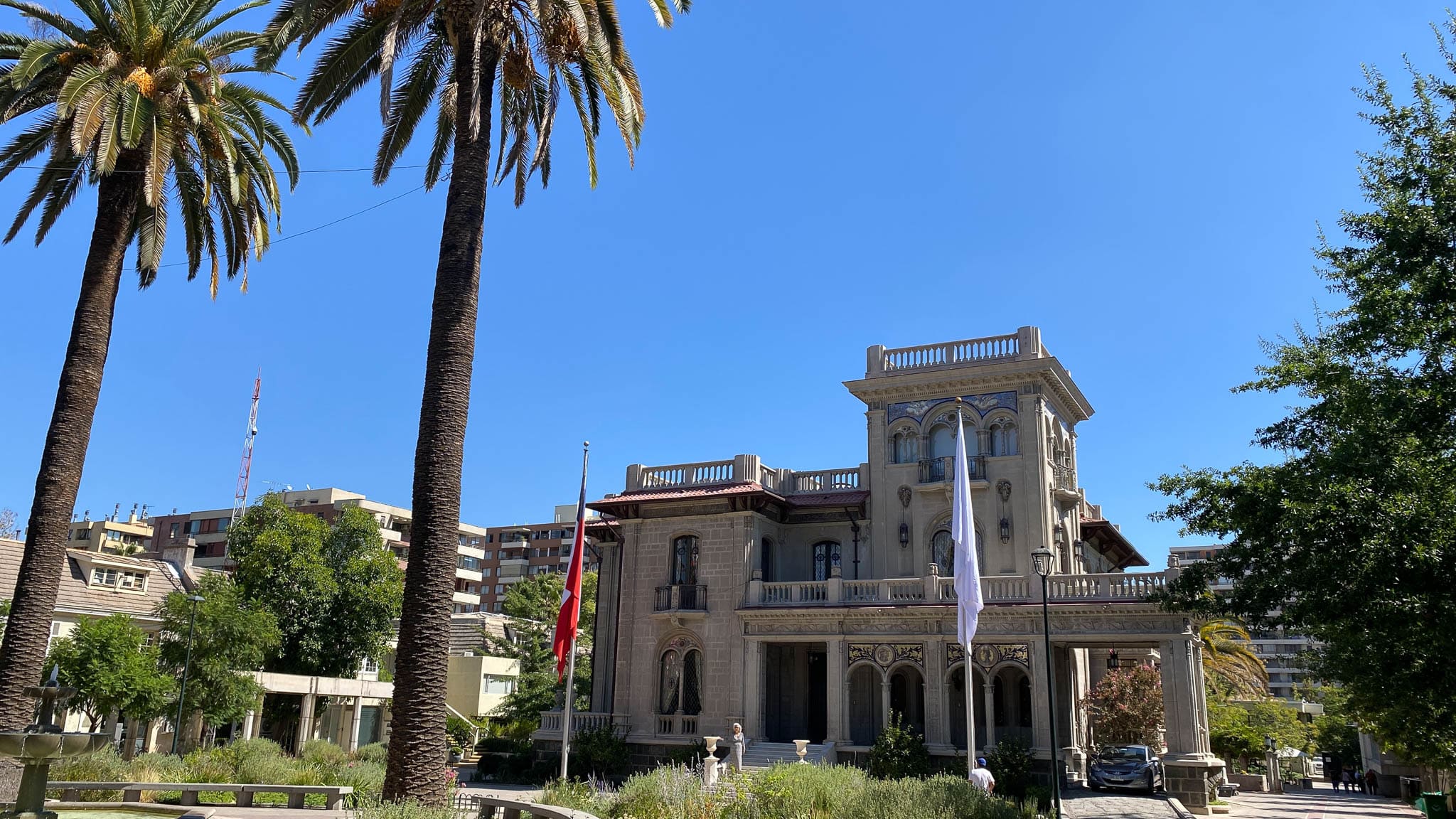
The Municipalidad de Providencia is one of those places that surprises you. The complex, centered around a beautifully restored historic building surrounded by gardens and modern extensions, is actually open to the public. The green spaces around it are great for a quiet break, and the area around it in Providencia is one of the most pleasant and walkable parts of the city, full of cafes, restaurants, and well-maintained streets.
Pueblito Los Dominicos
Pueblito Los Dominicos is a charming artisan village built around a colonial convent in the Las Condes neighborhood. The complex is made up of small stone and adobe workshops and shops that sell handmade crafts, jewelry, textiles, ceramics, leather goods, and local art. It’s one of the best places in Santiago to find quality Chilean artisan work and souvenirs that are actually worth buying. The colonial church at the center of it, the Iglesia de los Dominicos, is also beautiful and worth a look. It’s a relaxed and pleasant place to spend a couple of hours on a Sunday afternoon.
Templo Bahá’í de Sudamérica
This is one of the most architecturally extraordinary buildings I have ever seen, and most people visiting Santiago don’t even know it exists. The Bahá’í Temple of South America, located in the foothills of the Andes in the Peñalolén neighborhood, is the continental House of Worship for all of South America and the last of eight such temples built around the world by the Bahá’í community.
Designed by Canadian architect Siamak Hariri, it was inaugurated in 2016 after more than a decade of construction. Munistgo The design was chosen from an international competition that received over 185 proposals from 80 countries. The building features nine monumental glass veils that frame an open worship space where up to 600 visitors can be accommodated. Ladera Sur The light filtered into the interior shifts from white to silver to ochre, then blue to purple templobahai.cl as the day progresses, making the experience completely different depending on when you visit.
The Bahá’í faith is built on the principle of unity across all religions and cultures, and accordingly the temple is open to absolutely everyone, of all faiths and backgrounds, completely free of charge. What you’ll find inside is a silent, meditative space with no rituals, no priests, no sermons. Just light, marble, glass, and the mountains behind. Go at sunset if you can.
Entrance is free. Access via Diagonal Las Torres 2000, Peñalolén.
Where to Eat
OGGI Officina Gelato Gusto Italiano for some of the best gelato in the city, proper Italian style.
Café Calderón, really cool cafe place, with a prep van to take pictures.
Pastas Nenetta Chile for honest, well-made Italian food in a warm setting.
La Fuente Chilena if you want a genuinely local Chilean experience, straightforward and delicious.
Tip y Tap is a classic Santiago diner-style spot, the kind of place locals have been going to for years.
Hua Xing Restaurant for Chinese food. Honestly one of the best Chinese meals I’ve had anywhere. Go.
Golfo di Napoli Trattoria e Pizzeria for serious Neapolitan-style pizza and pasta.
Verde Sazón for fresh, vegetable-forward cooking done really well.
Getting Around the City
Santiago’s public transport system is genuinely good and very easy to use. You can pay for the metro directly with a debit card at the turnstiles, which makes it incredibly convenient for travelers. Alternatively, you can buy a BIP card, a rechargeable transit card that works on both the metro and the city buses. The metro covers most of the places listed in this guide and is fast, clean, and safe.
Day Trip: Cajón del Maipo and Embalse El Yeso
If you have a car or can rent one for a day, do not miss the Cajón del Maipo. It’s about an hour from Santiago, heading east directly into the Andes, and the drive alone is worth it as the valley narrows and the mountains close in around you.
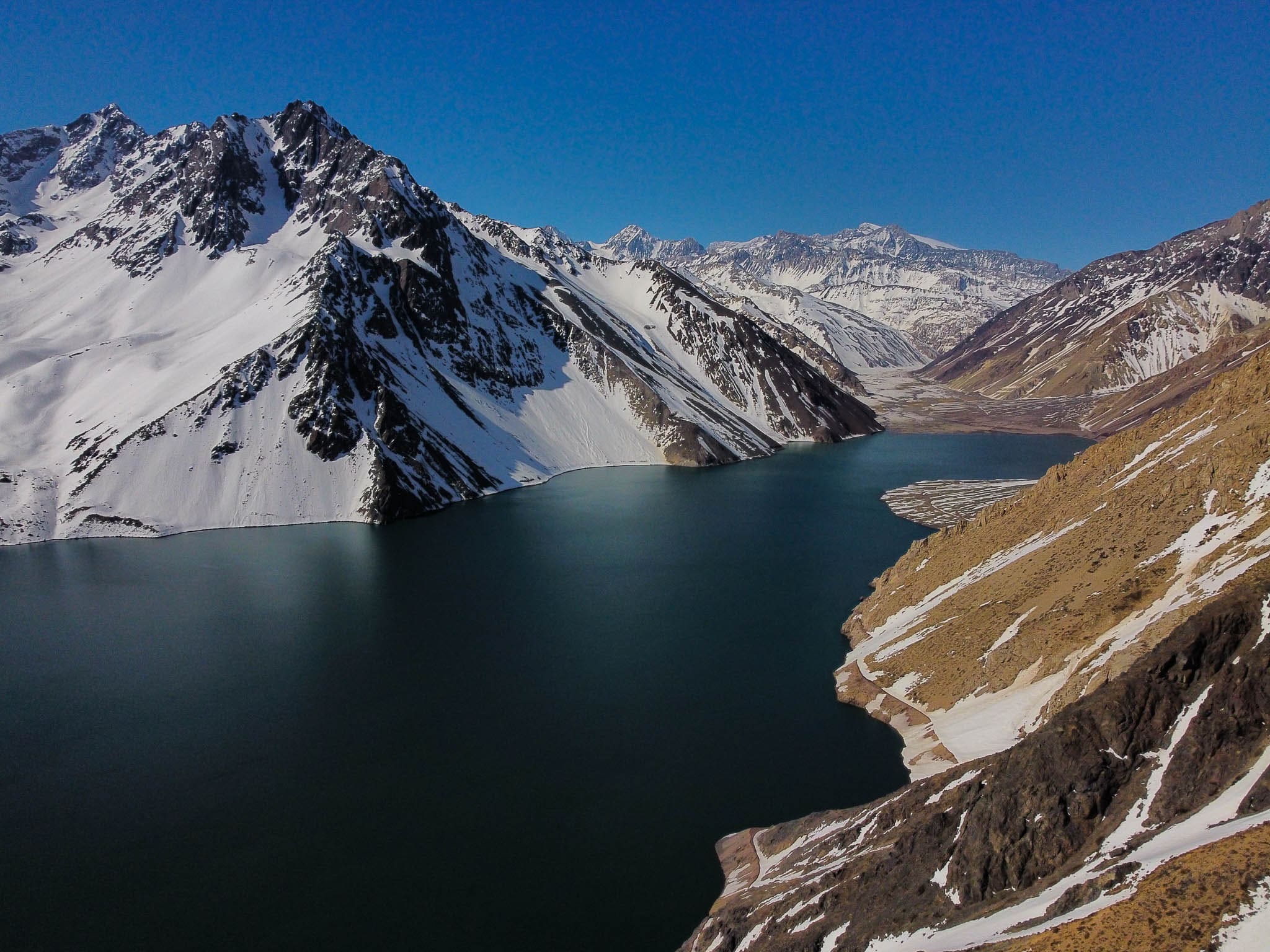
Once you’re in the canyon, the highlight is Embalse El Yeso, a reservoir sitting deep in the cordillera, completely surrounded by snowcapped peaks. The water is an intense turquoise-blue that reflects the surrounding mountains, and on a calm day the reflections are almost more beautiful than the mountains themselves. It’s the kind of place that makes you stop and just stand there in silence for a while.
It is my favorite place near Santiago. Period.
And as always, Exist to Travel and Travel to Exist.