
Ten Days In Galapagos – Discover the best of it
Ten Days in Galapagos Itinerary: Santa Cruz, Floreana, Bartolomé and Isabela
The Galapagos Islands are one of the most magical places on Earth, a living laboratory of evolution where humans and wildlife coexist in remarkable harmony. Known for inspiring Charles Darwin’s Theory of Evolution after his 1835 visit aboard the HMS Beagle, the islands remain a sanctuary of untouched nature, dramatic volcanic landscapes, and species found nowhere else on the planet.
For me, the Galapagos quickly became one of the destinations I enjoyed the most. The constant contact with animals, the pure landscapes, and the volcanic scenery that felt almost extraterrestrial left me speechless. I was also lucky enough to share this adventure with my family, something we hadn’t been able to coordinate for years, which made it even more unforgettable.
A small but essential tip: bring your own snorkelling mask, or buy one on the first day. You can snorkel almost everywhere, and you’ll be surrounded by turtles, rays, sharks, and colorful fish all the time.
Our itinerary:
5 days in Santa Cruz → 4 days in Isabela → 1 last day in Santa Cruz
Before You Fly
Before boarding your flight to Galapagos from Quito or Guayaquil, you must complete the Transit Control Card (TCT).
Cost: USD 20 per person
Form: https://siig-registro.gobiernogalapagos.gob.ec/app/tct/emitir/
Your luggage will be inspected and sealed with a blue tag to ensure you’re not carrying anything harmful to the ecosystem.
Booking Tours on the Islands
Always book tours directly on the Galapagos islands.
Online prices are much higher. In Santa Cruz and Isabela, dozens of agencies compete for clients, perfect for negotiating. Since we were eight travelers, we got better prices than most.
Getting Around Locally
- Santa Cruz: white 4×4 taxis, USD 2 per ride within town.
- Isabela: no fixed prices, always ask before hopping in.
Day 1 — Arrival at Baltra & Puerto Ayora
Landing at Seymour Airport (Baltra), the first ecological airport in the world, is your true arrival to the islands.
Entrance fee:
- USD 200 per person
- USD 100 for Mercosur countries
Take the bus to the Itabaca Channel (USD 5). This is where wildlife begins to greet you: red crabs, sea birds, sea lions, and even sea turtles swimming beside the ferry.
Your luggage may travel on a different boat, totally normal and very safe.
On Santa Cruz, take a bus or taxi (USD 30) to Puerto Ayora. The 35-minute ride shows instantly how dramatically the vegetation changes: from dry volcanic desert to lush tropical green. Keep your eyes open, we saw giant tortoises right by the road.
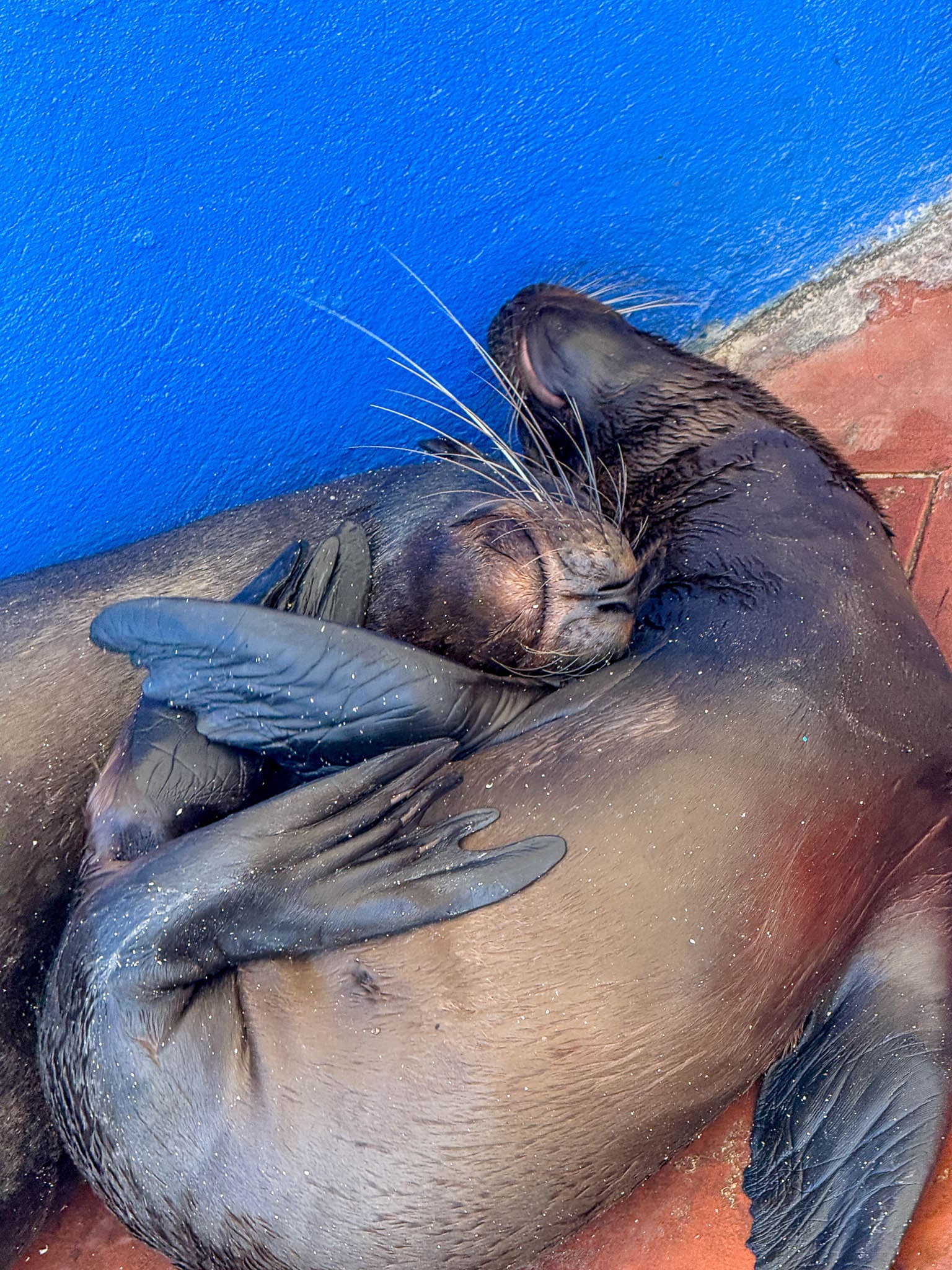
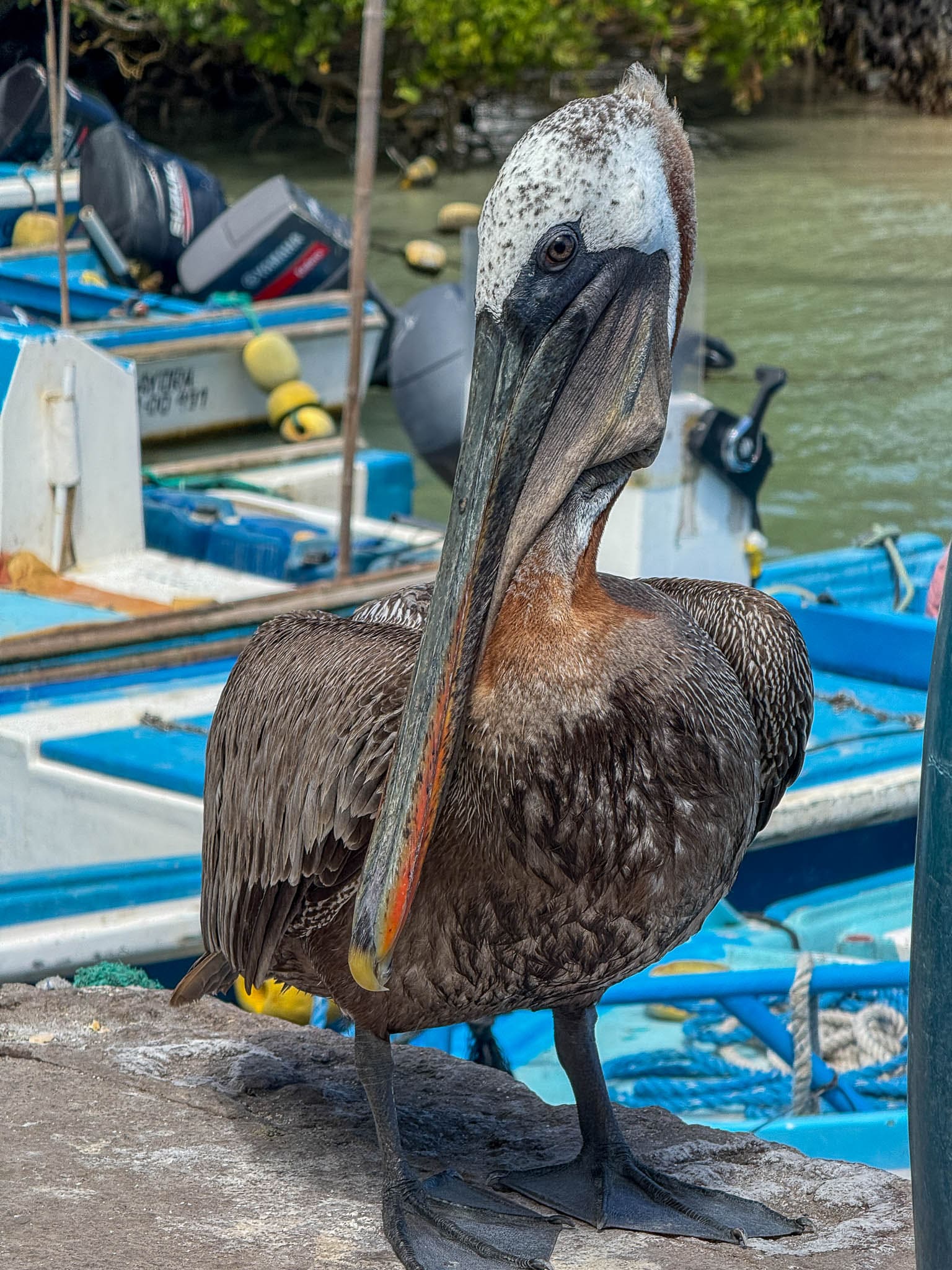
After settling into our accommodation, we walked Puerto Ayora’s waterfront to watch sea lions lazing around and pelicans fishing. A perfect first afternoon.
Day 2 – Charles Darwin Station & Tortuga Bay
Charles Darwin Research Station
USD 10 with guide • ~1.5 hours
Here you learn about the archipelago’s endemic species, conservation programs, and the fight against invasive animals like rats.
The visit ends with Lonesome George, preserved as a symbol of conservation.
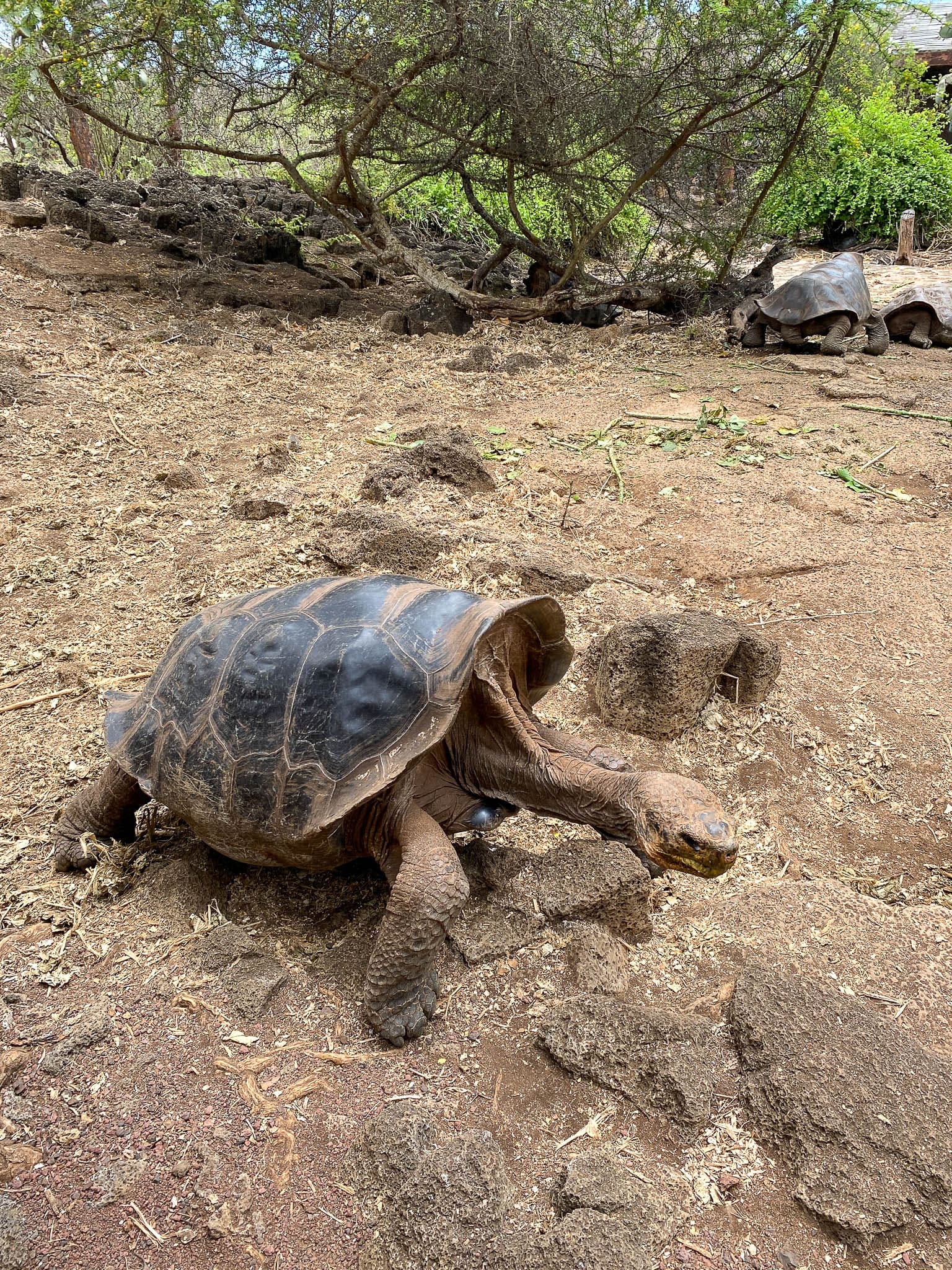
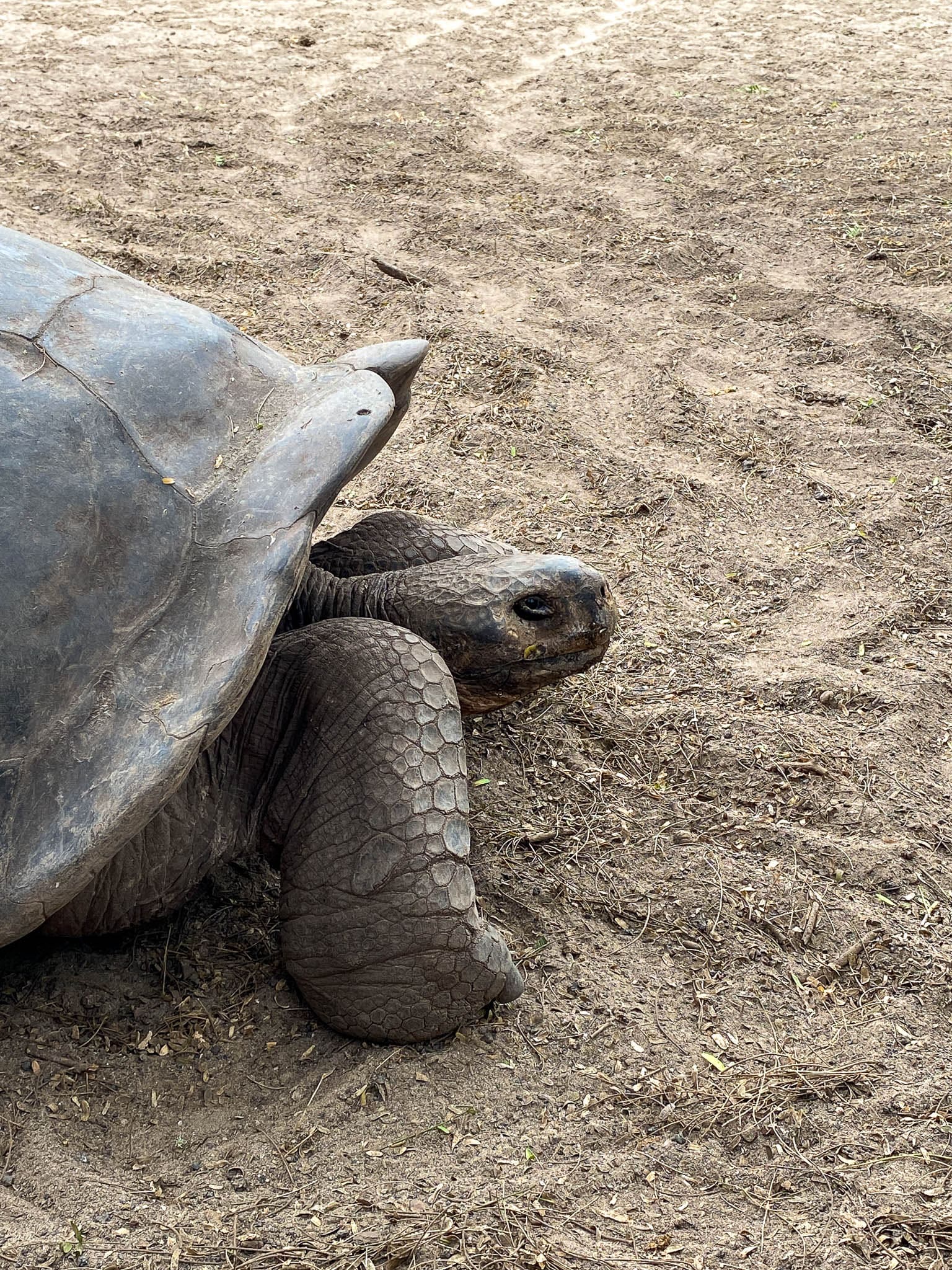
Seeing giant tortoises up close is something you never forget.
La Ratonera Beach
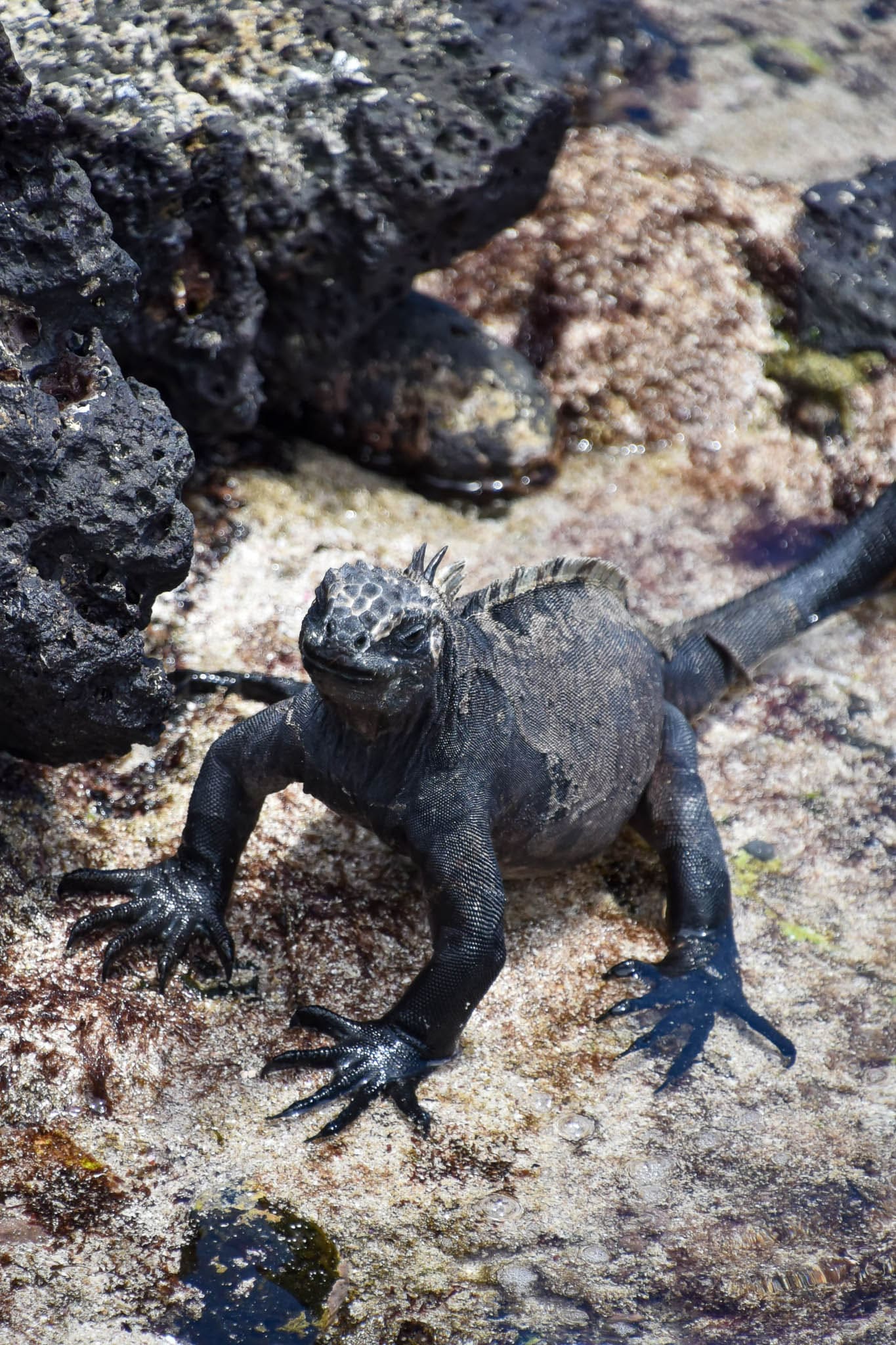
A 10-minute walk from the station, full of marine iguanas and tidal pools filled with colorful fish. Our first true wildlife encounter.
Tortuga Bay
A 30–40 minute walk through a giant cactus forest takes you to one of the most stunning beaches in the world.
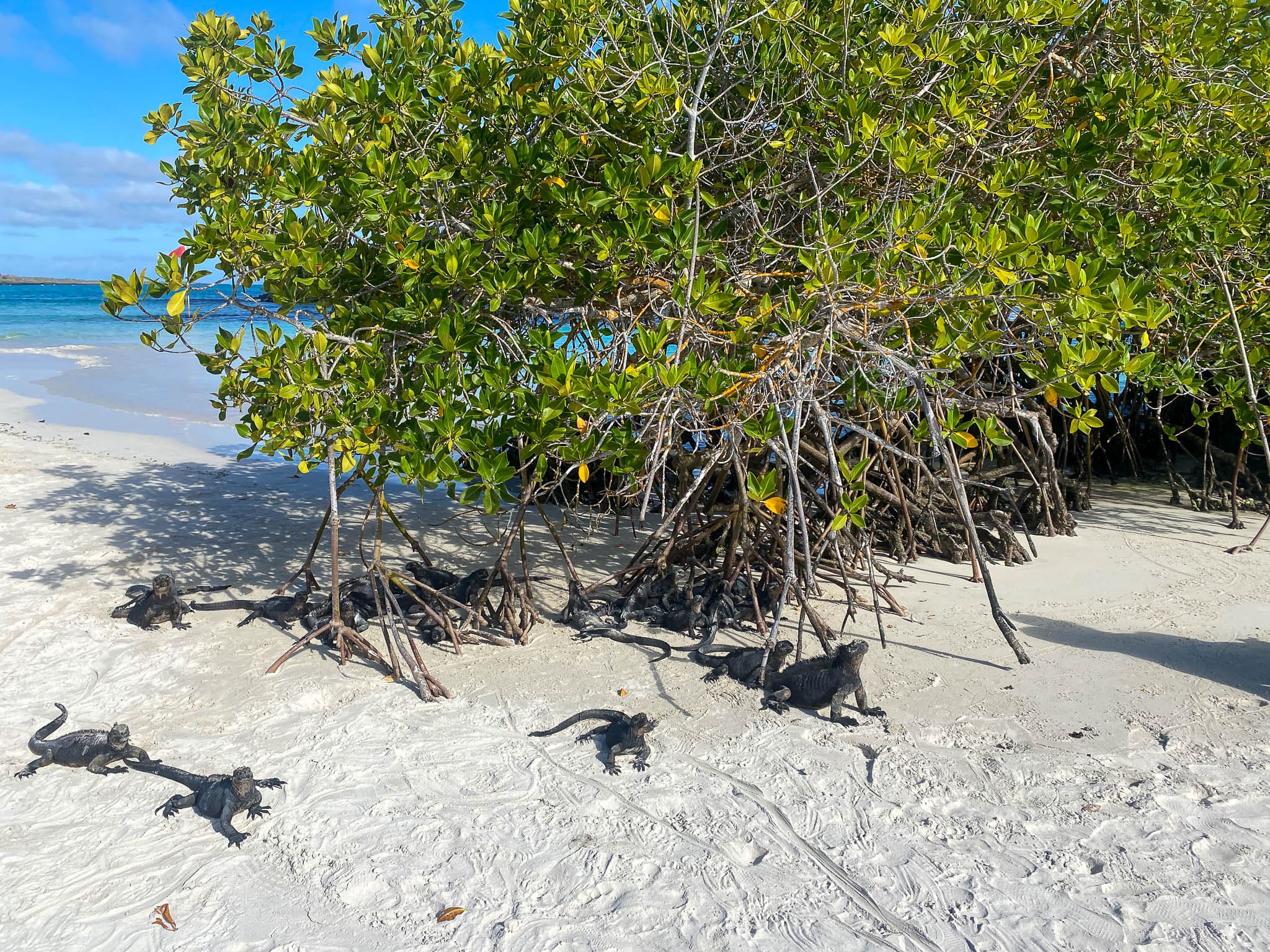
- Playa Brava: powerful waves, not safe for swimming
- Playa Mansa: calm, mangrove-protected bay (20 minutes further)
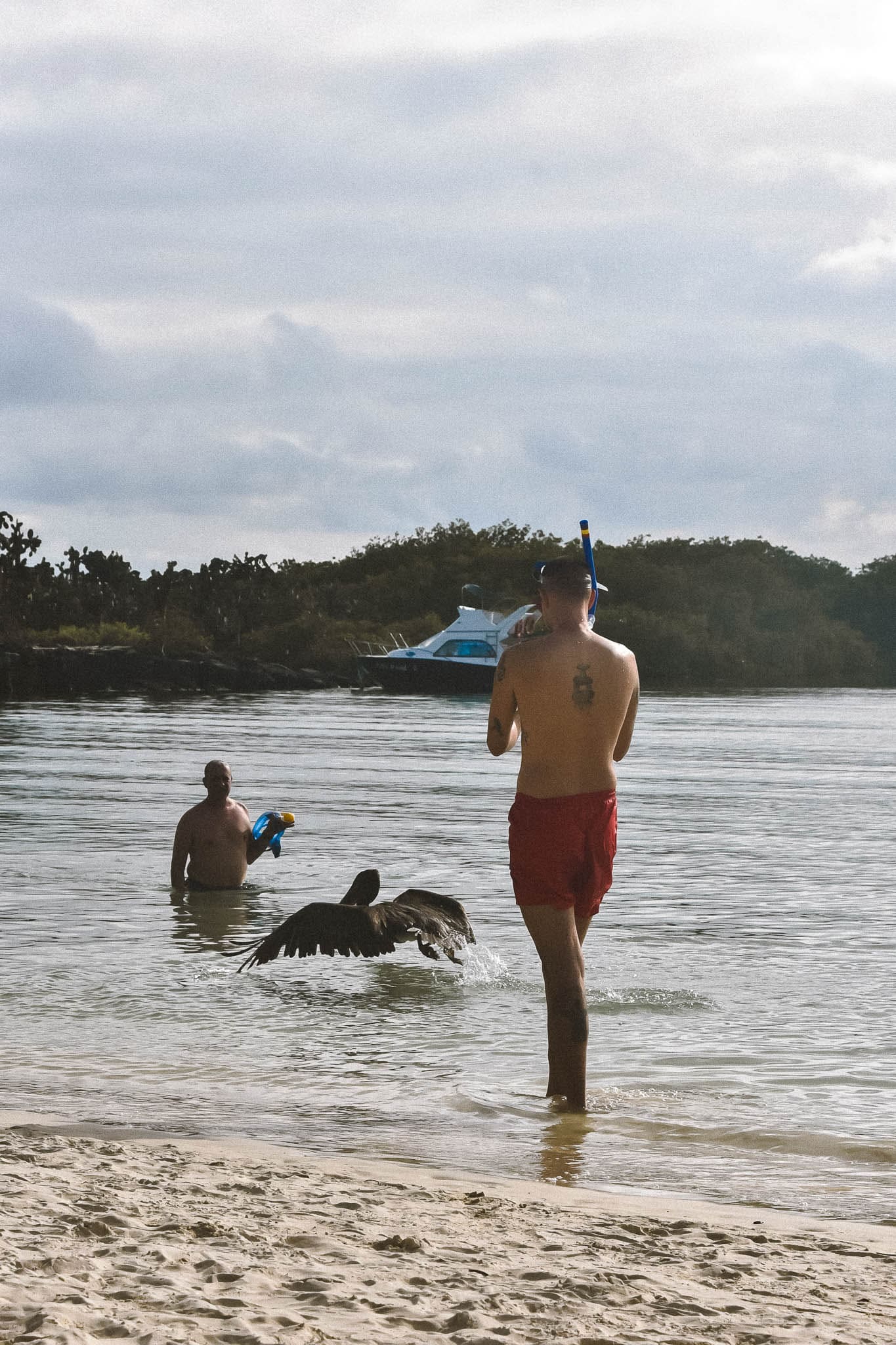
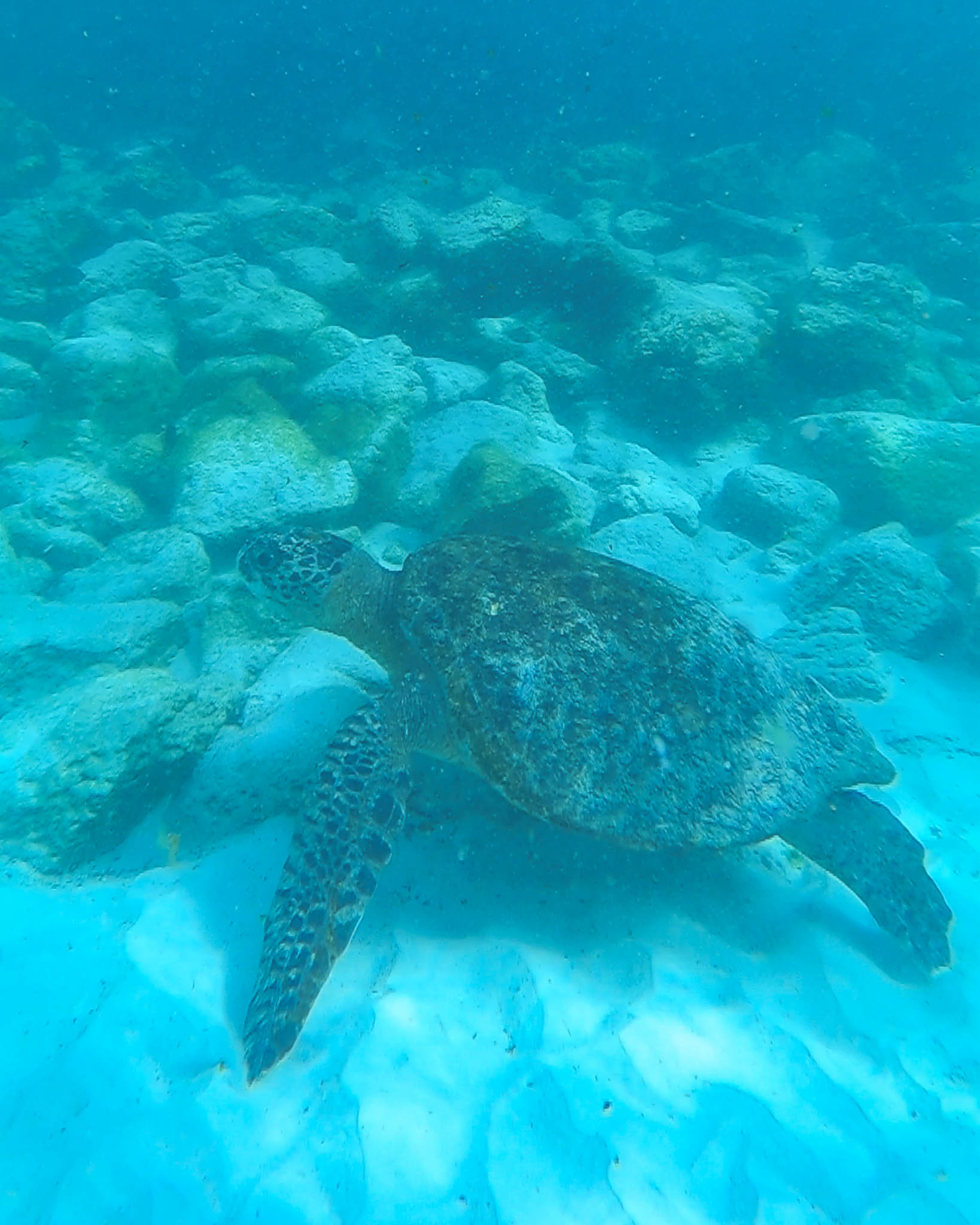
We skipped Playa Mansa after swim a little bit because the water was murky that day and instead swam in the rocky area at the far end of Playa Brava, where we safely saw turtles, a shark, a ray, and tons of fish.
An unreal second day.
Day 3 — Floreana Island
Floreana is full of legends: pirates, whalers, and the mysterious Floreana Affair of the 1930s involving enigmatic disappearances among the first European settlers.
Getting There:
The ride was wild, huge waves, people getting seasick everywhere.
Take Dramamine before this one.
Snorkelling
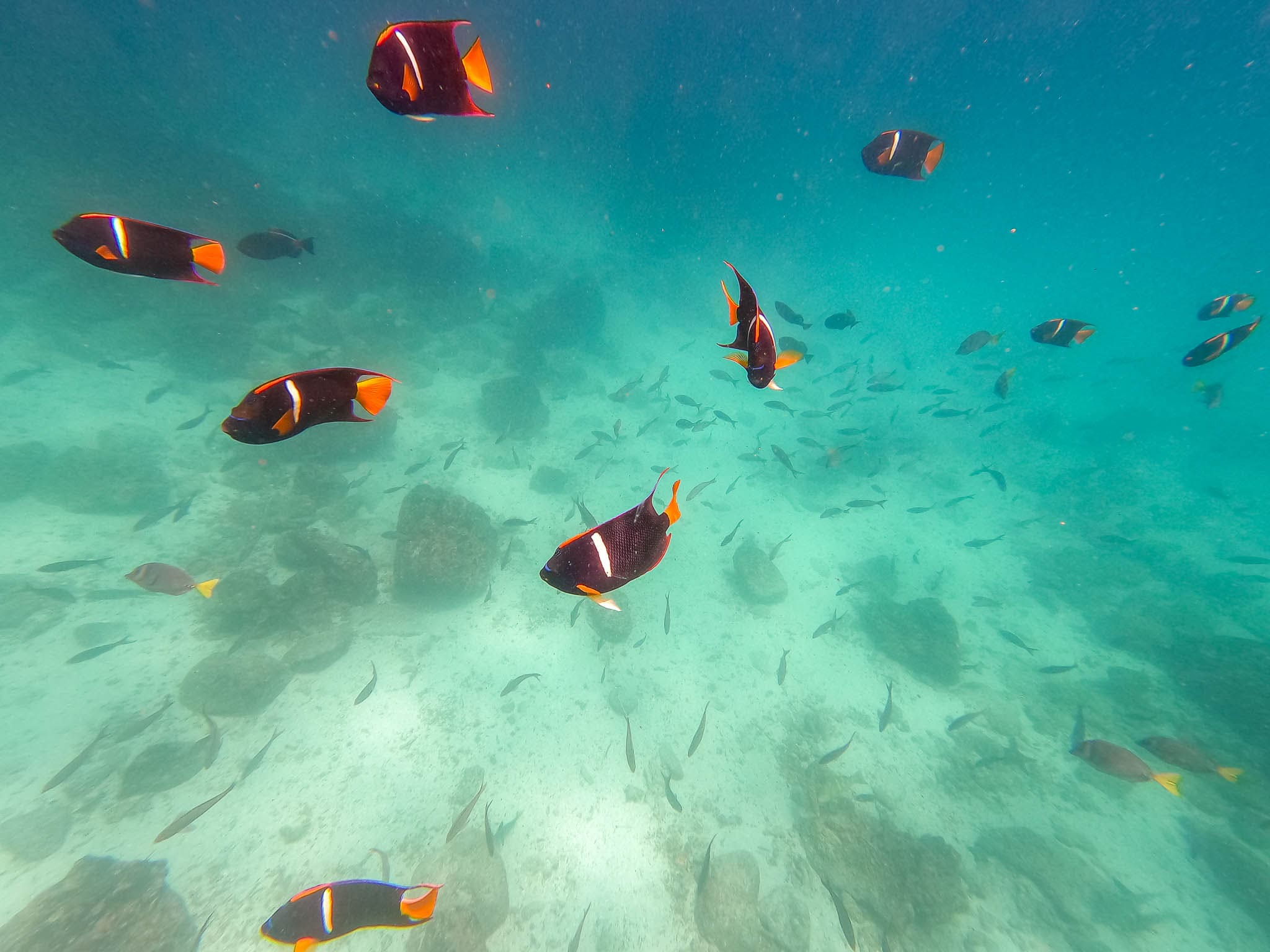
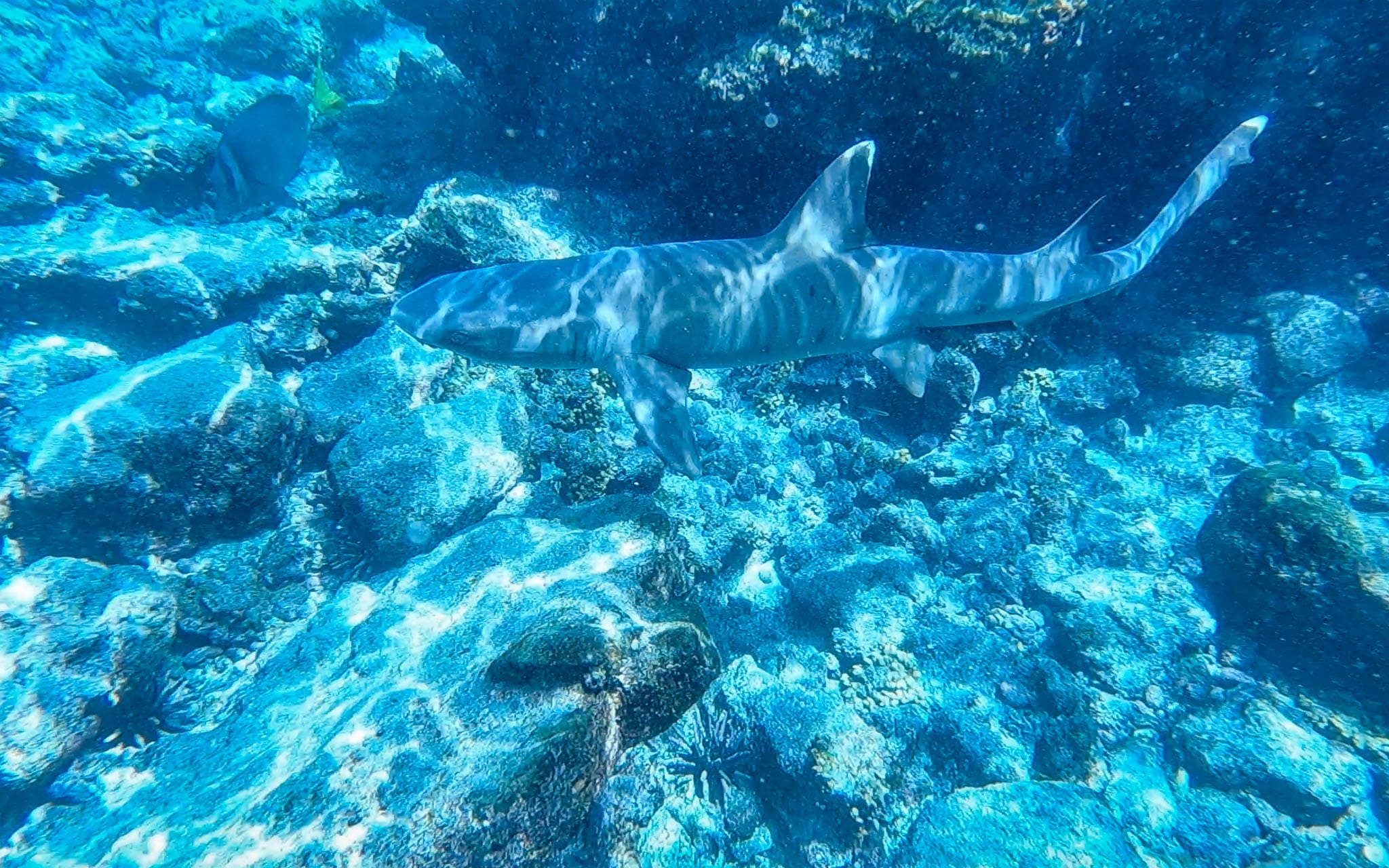
Two sessions around a rock islet:
- hundreds of fish
- white-tipped reef sharks
- turtles
- rays
Wildlife Walk
We saw:
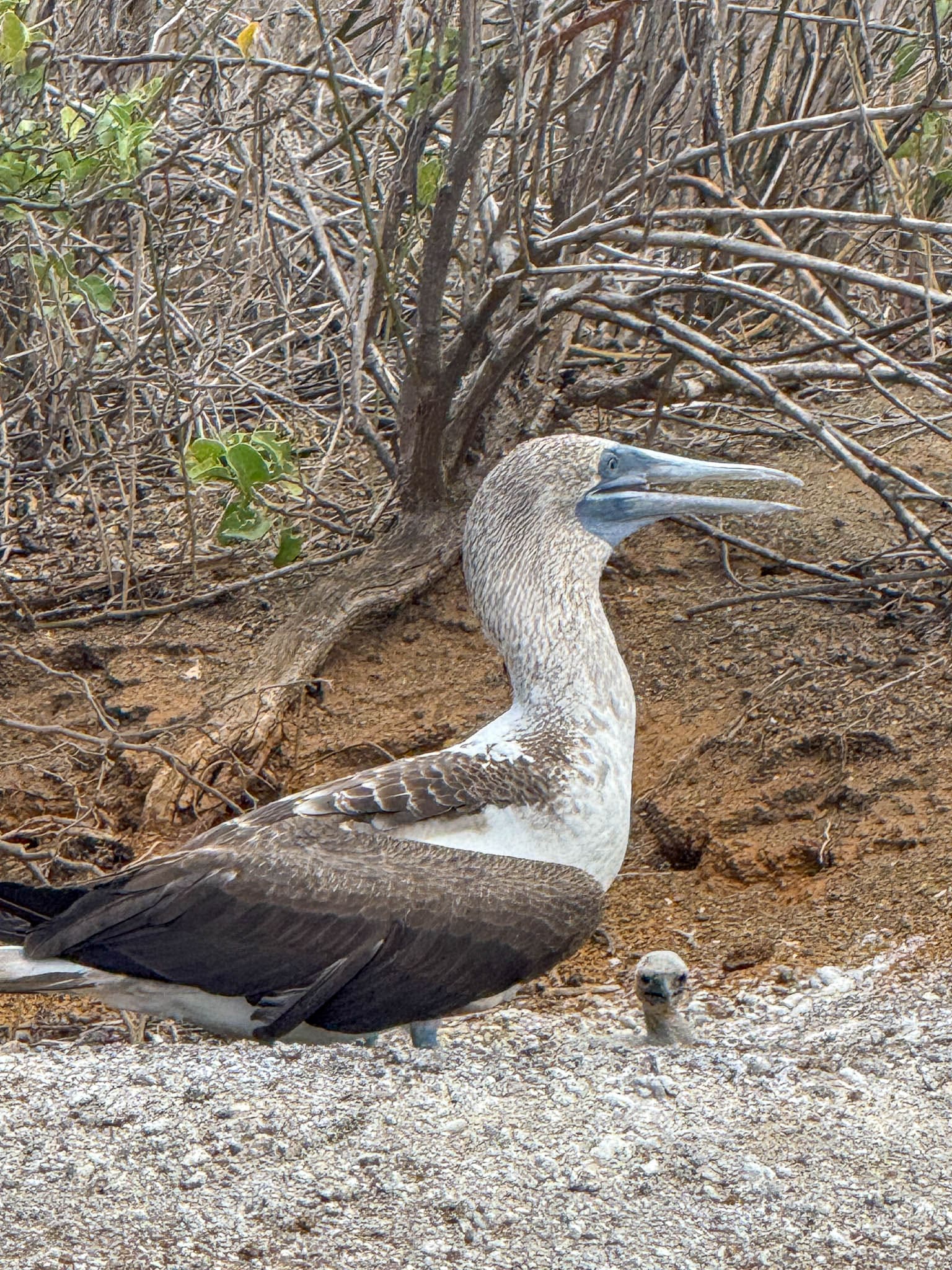
- blue-footed boobies with chicks
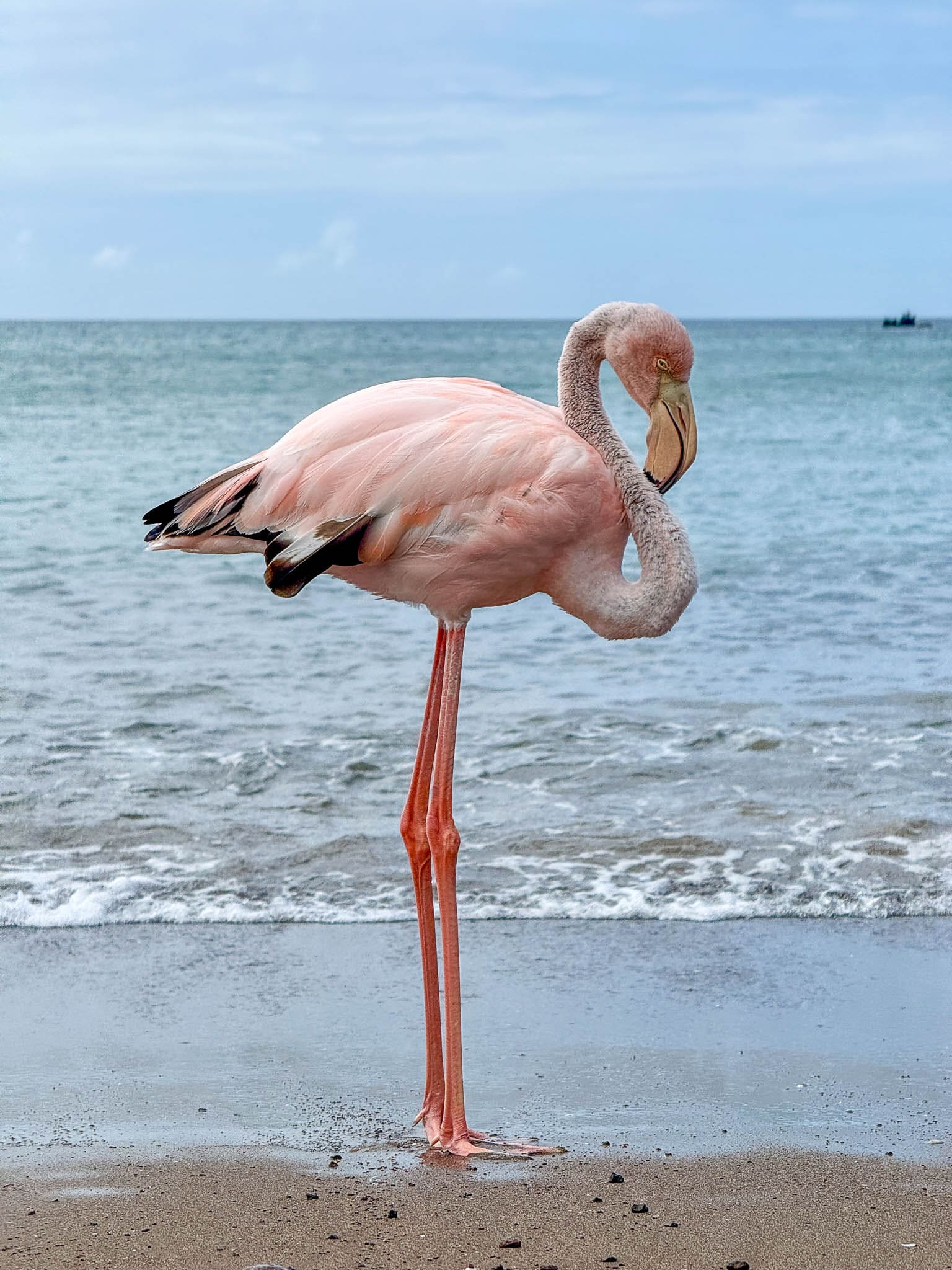
- flamingos
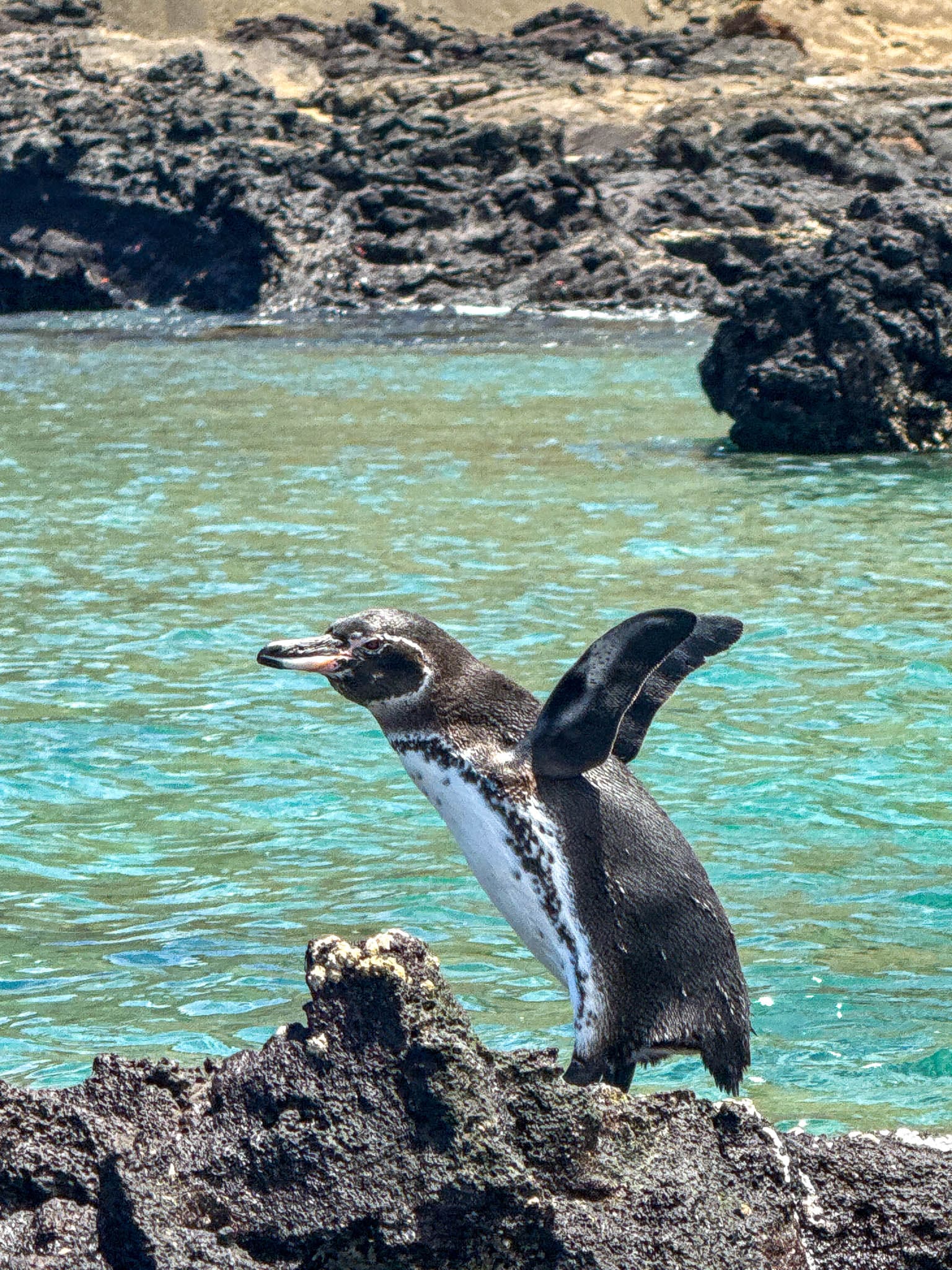
- a penguin
- sea lions everywhere
USD 130 per person • Includes hotel pickup + lunch (veg option)
Day 4 — Bartolomé Island
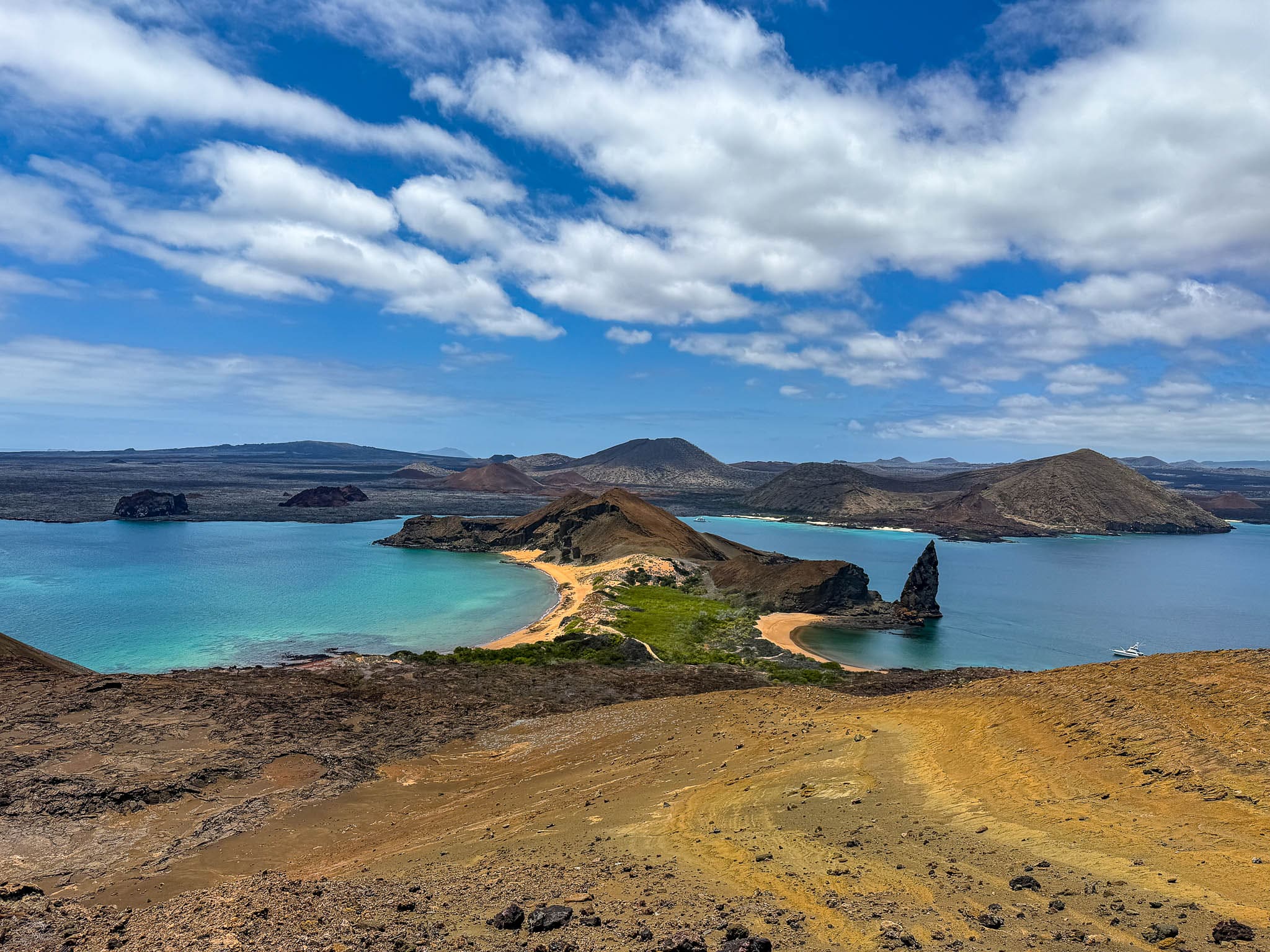
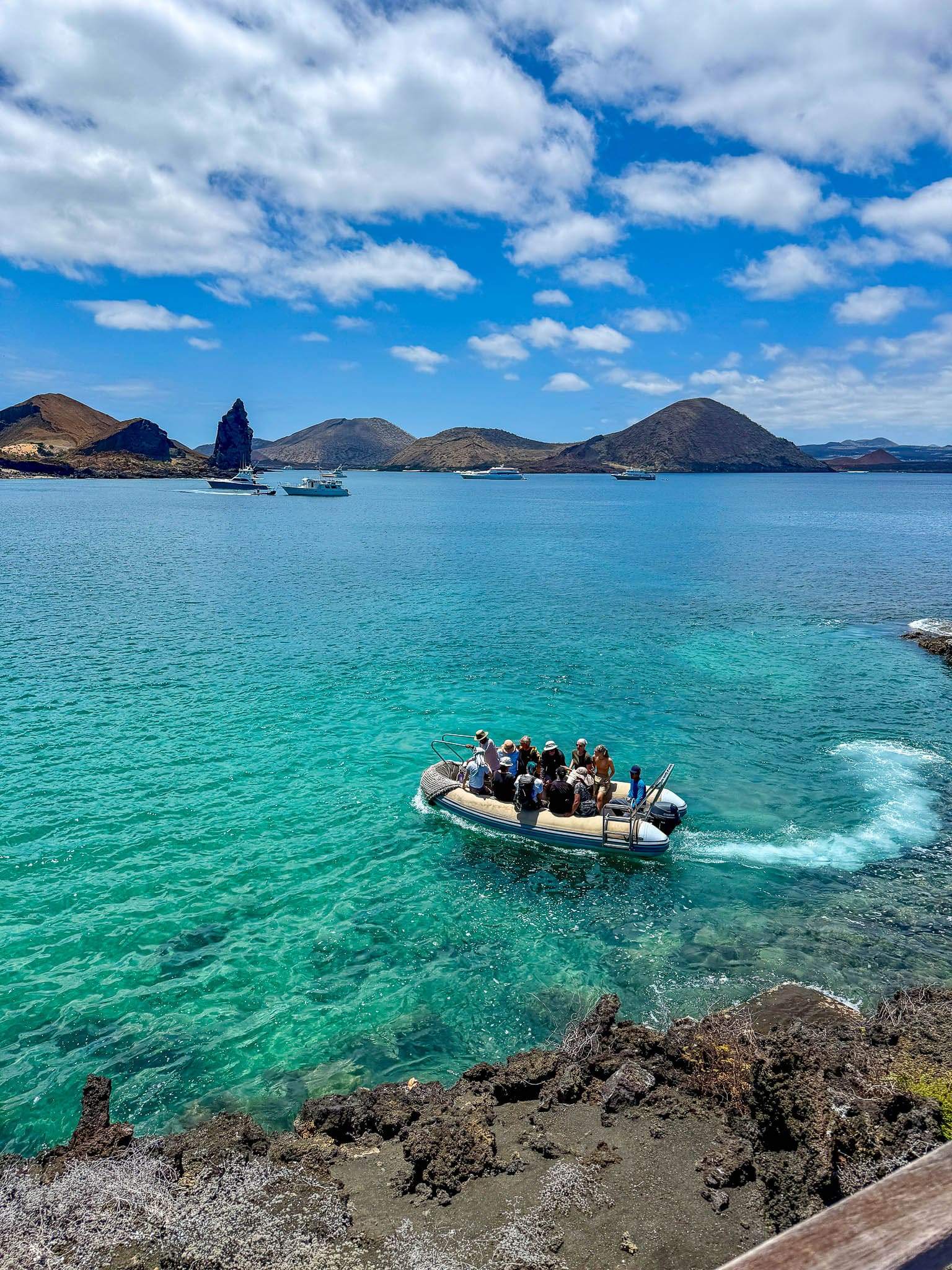
One of the most iconic landscapes in Galápagos and learning about the volcanic origin of the islands and displacements of the tectonic plaques.
Volcanic Hike
A ~300-step boardwalk takes you to the postcard viewpoint overlooking:
- Pinnacle Rock
- the Golden Beach
- contrasting lava fields and turquoise water
Snorkelling
Cold, wetsuits needed.
We circled Pinnacle Rock and swam with:
- 3 penguins
- sharks
- hundreds of fish
USD 280 per person (booked online, cheaper on the islands)
Day 5 — Transfer to Isabela
We took the Queen Arlett, the largest ferry.
USD 55 round-trip • Schedule: 6 AM & 3 PM
We chose 3 PM to enjoy a slow morning.
The taxi-boat to reach the ferry cost USD 1 per person.
The 45-minute ride was bumpy but manageable.
Once in Puerto Villamil, we checked in and watched an incredible sunset on Isabela Beach.
Day 6 — Beach Morning & Concha de Perla
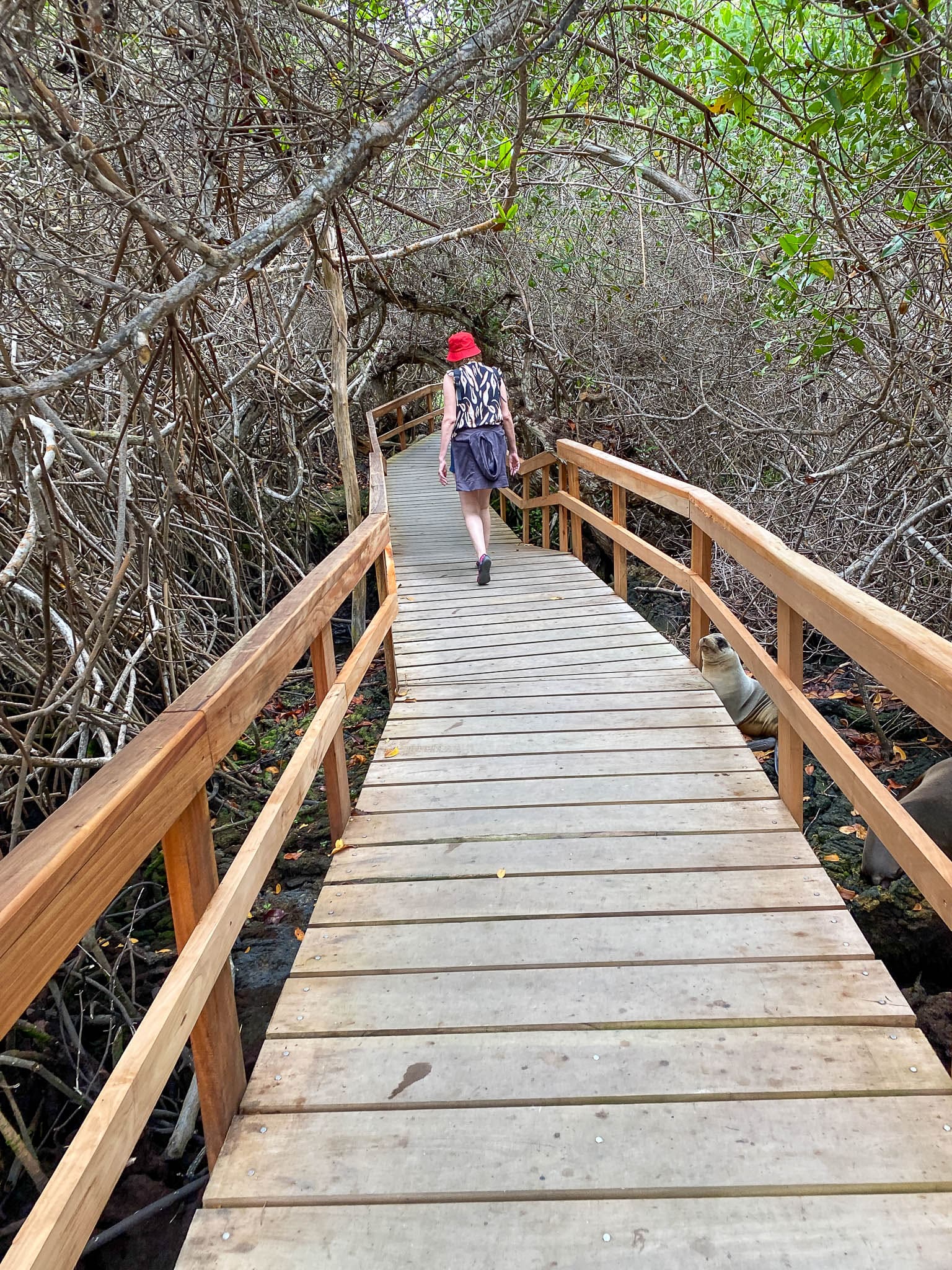
A relaxing morning with sea lions playing around the rocks.
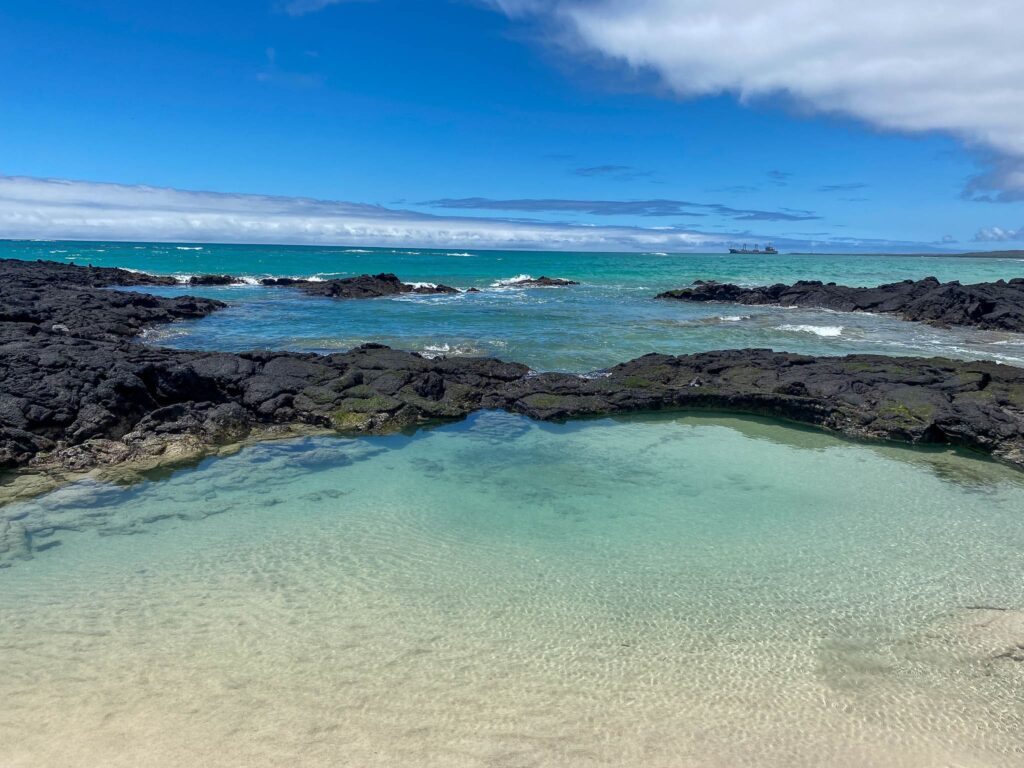
Concha de Perla
A free snorkelling spot right by the port — one of our favorites.
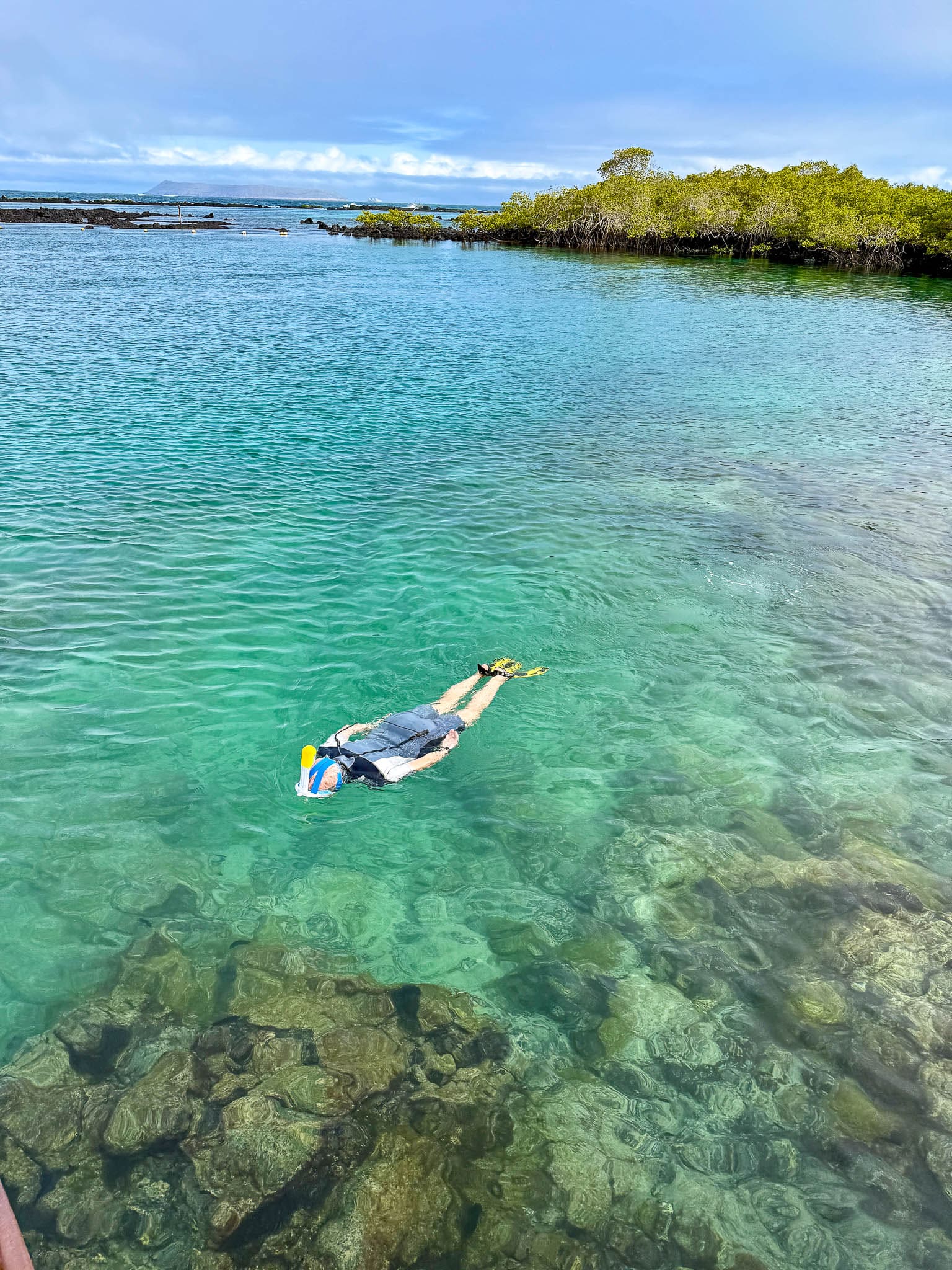
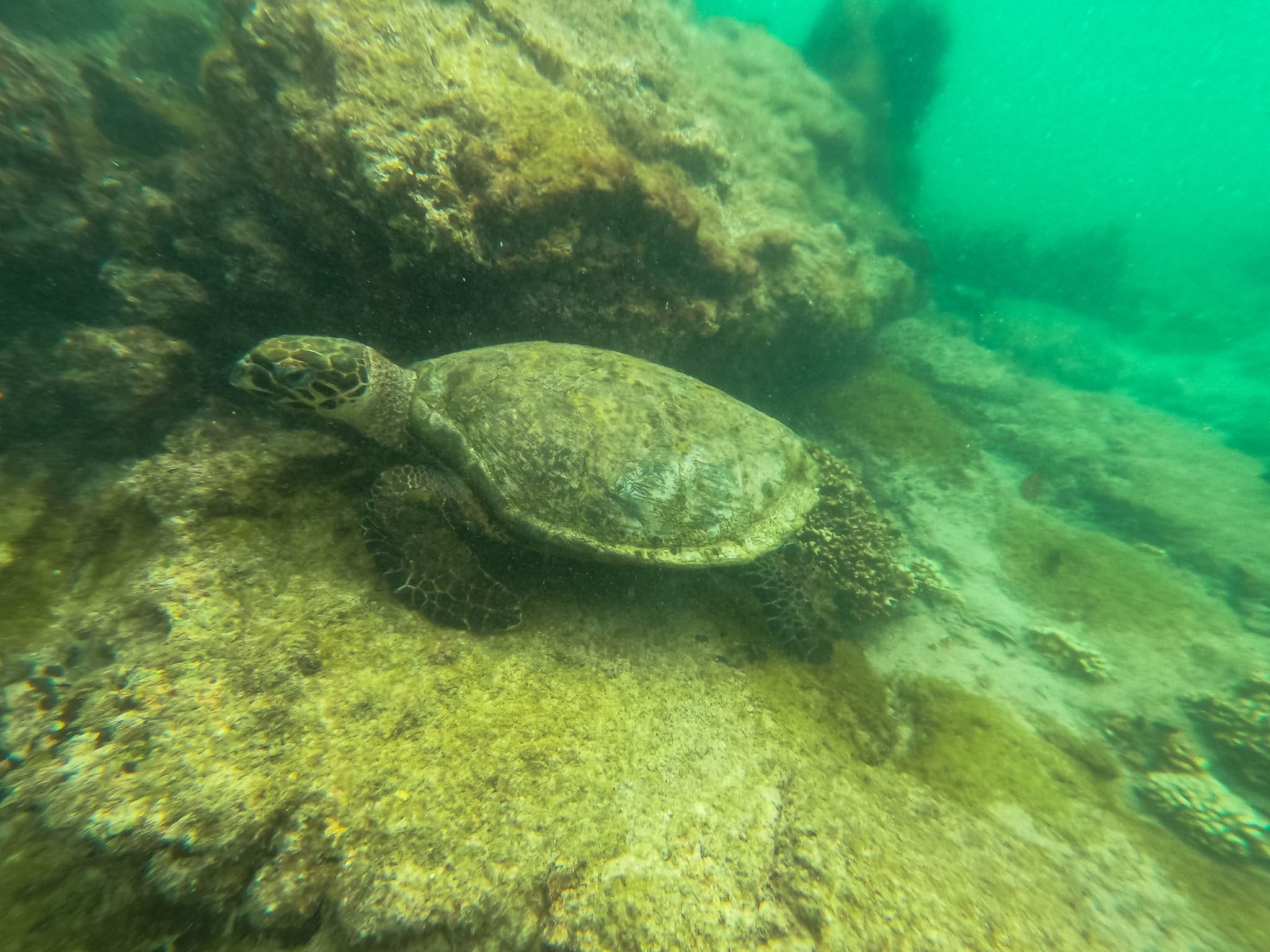
We saw:
- turtles
- sea lions swimming around us
- tons of fish
We were lucky to have wetsuits and fins (loaned from our tour agency with a refundable USD 200 deposit).
Back at the beach for sunset, we watched pelicans and blue-footed boobies dive in synchrony — like a live National Geographic show.
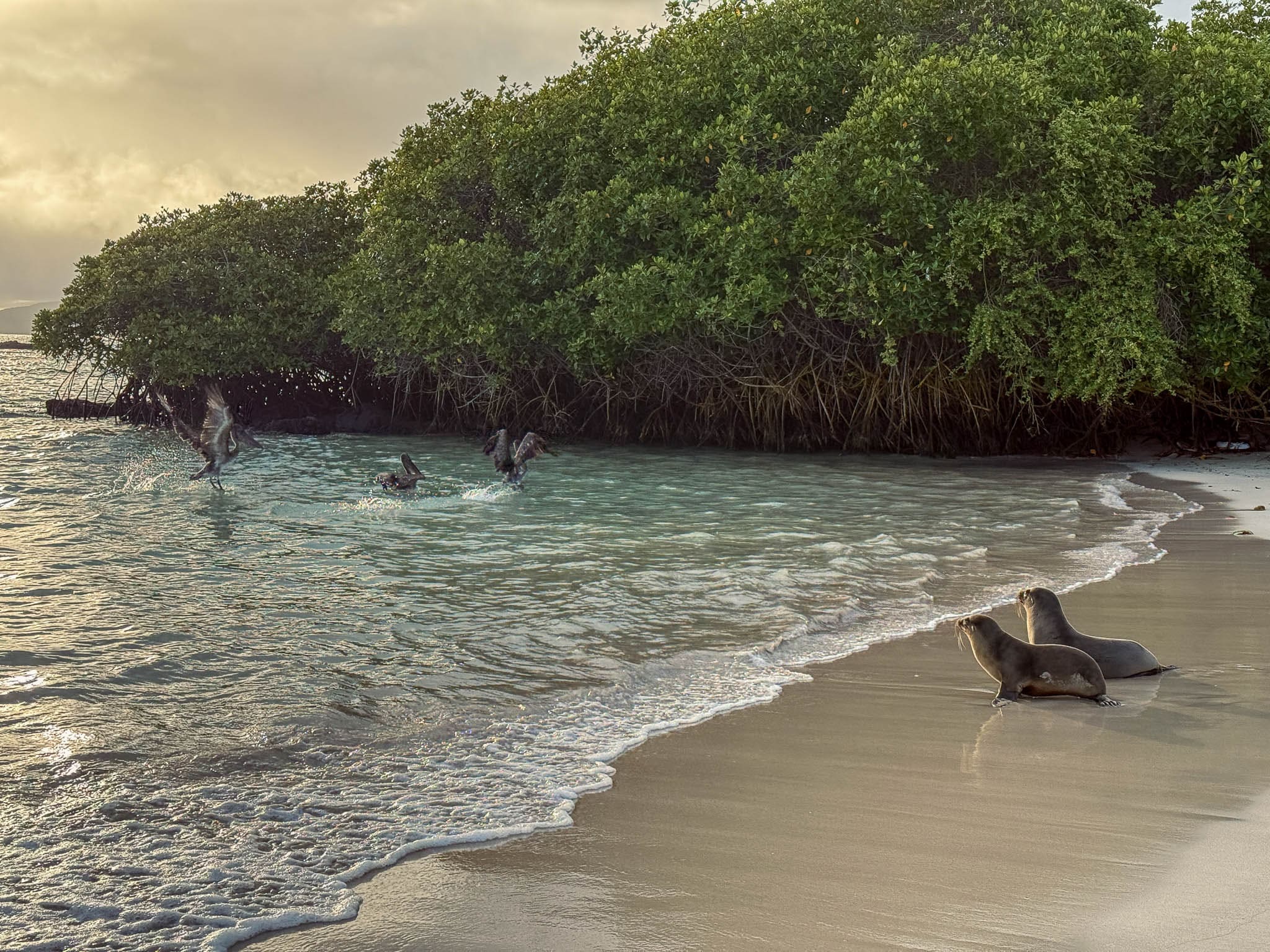
A territorial male sea lion eventually yelled at us until we moved.
Raw nature at its finest.
Day 7 — Las Tintoreras
Giant Tortoise Breeding Center
First stop: learning about conservation and seeing giant tortoises at different stages of life.
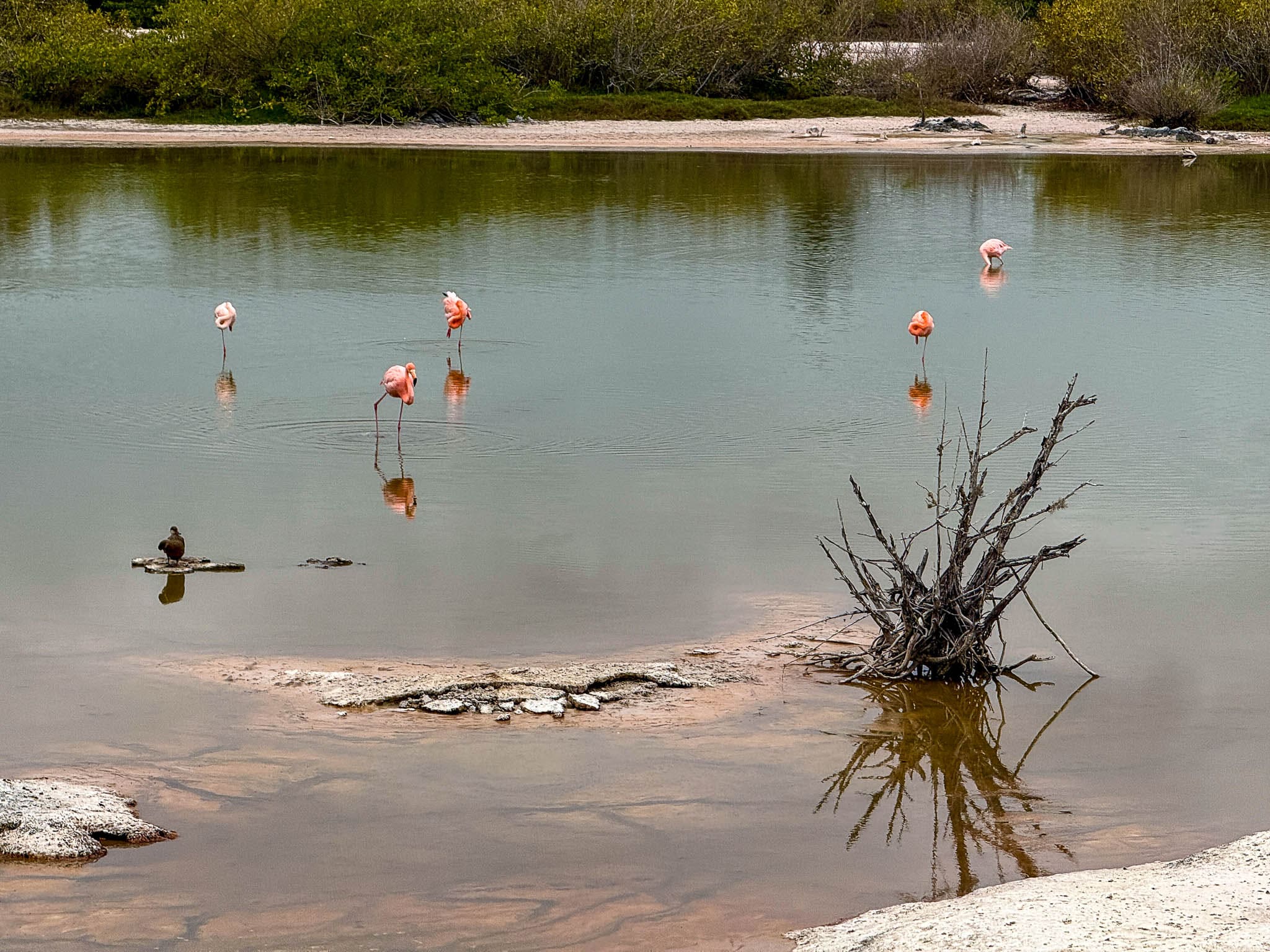
Poza de los Flamingos
After the Center we stop at the Paza de los Flamingos to see the unique breed of Galapagos Flamingoes, descendants of North American Flamingoes they stayed in the Islands and after many generations they changed to a unique subspecies.
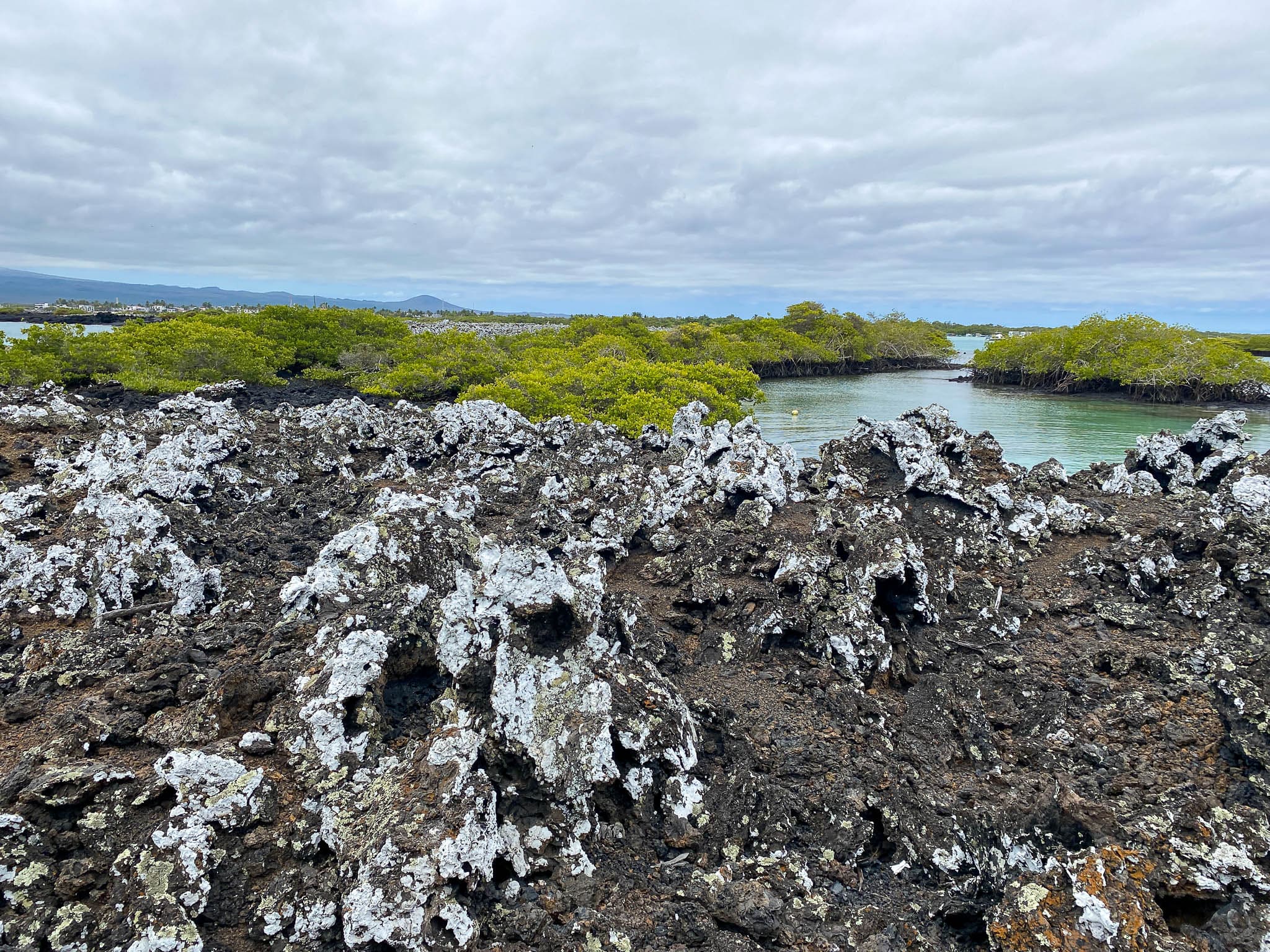
Volcanic Islets
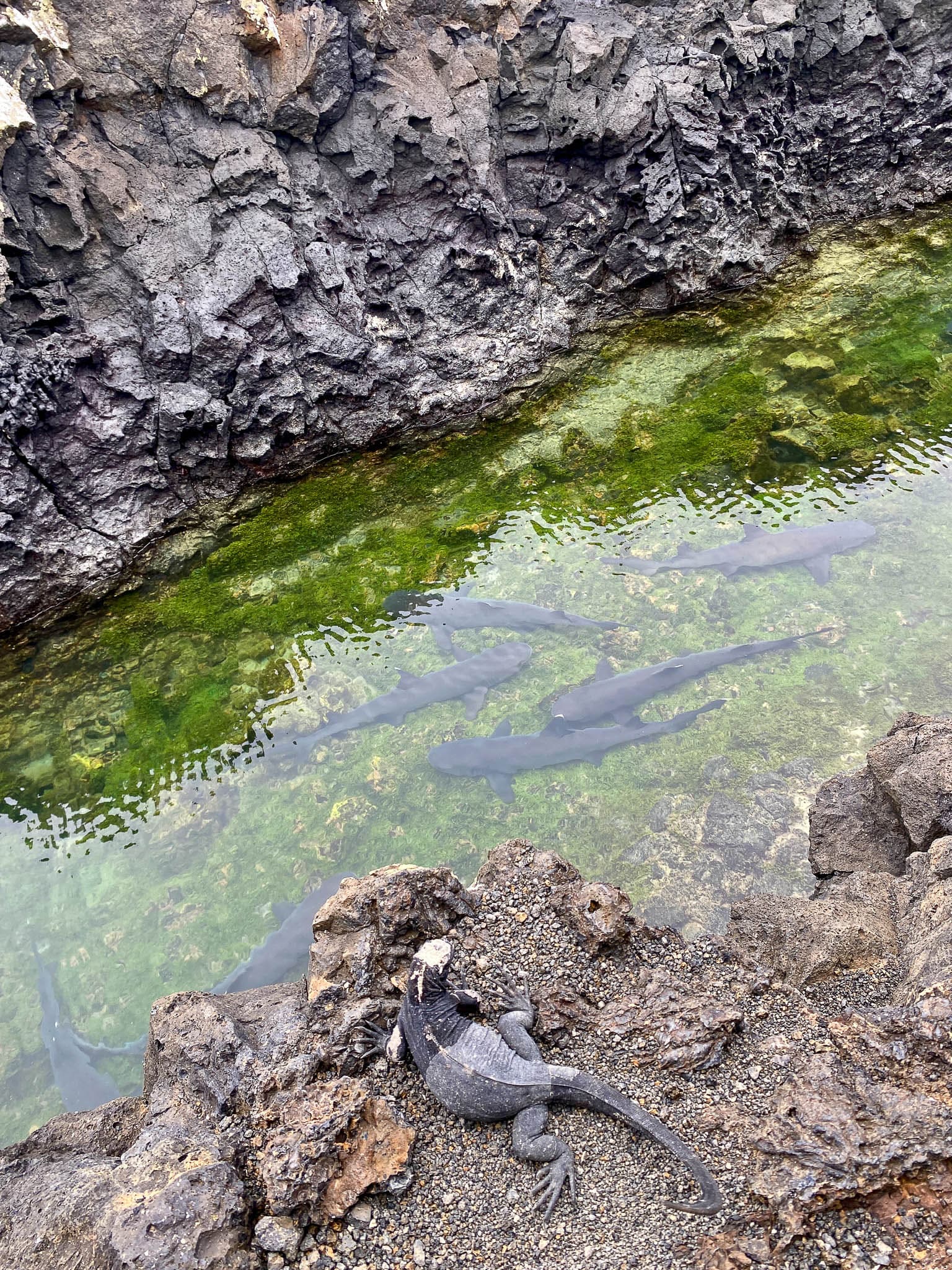
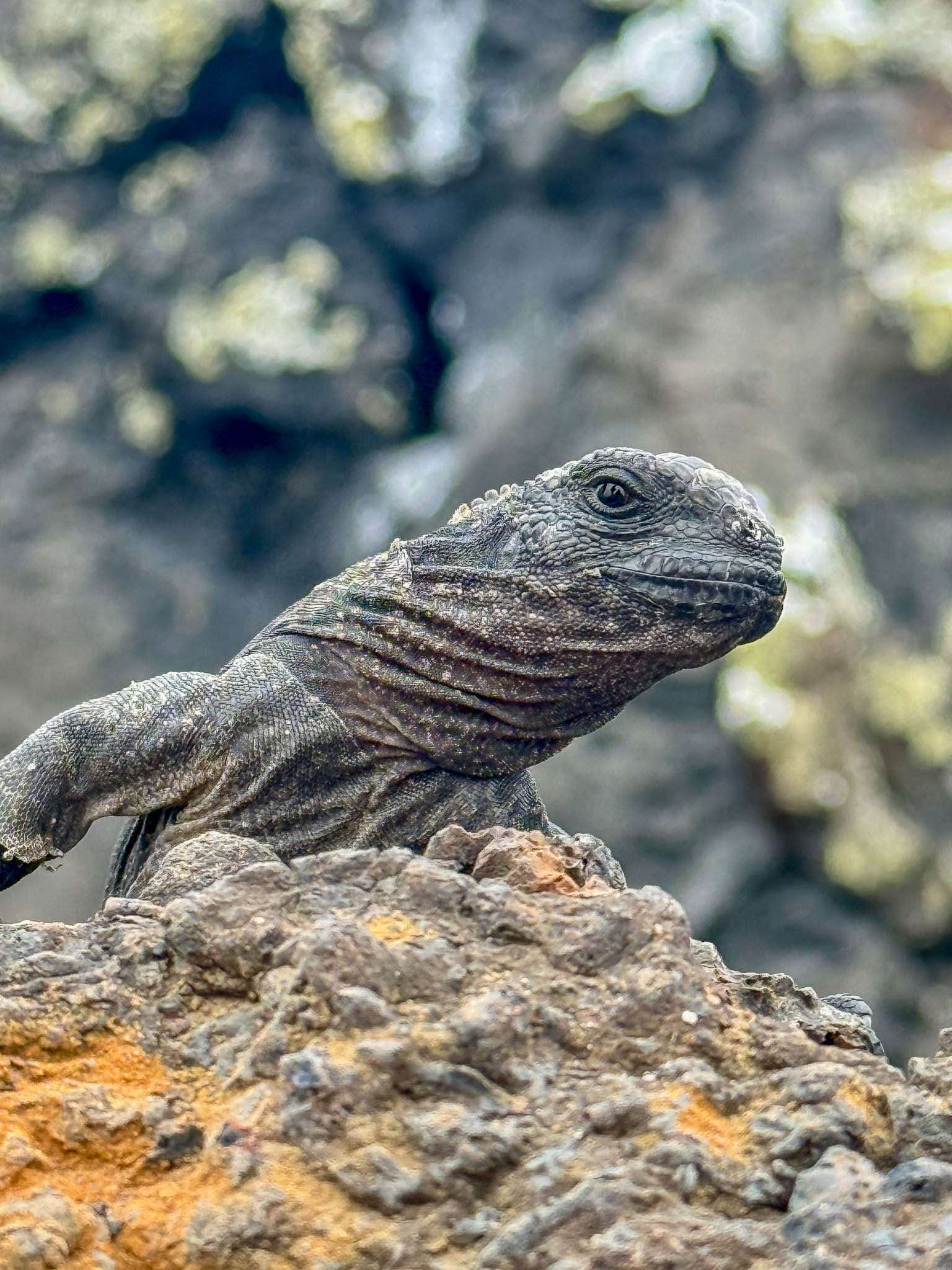
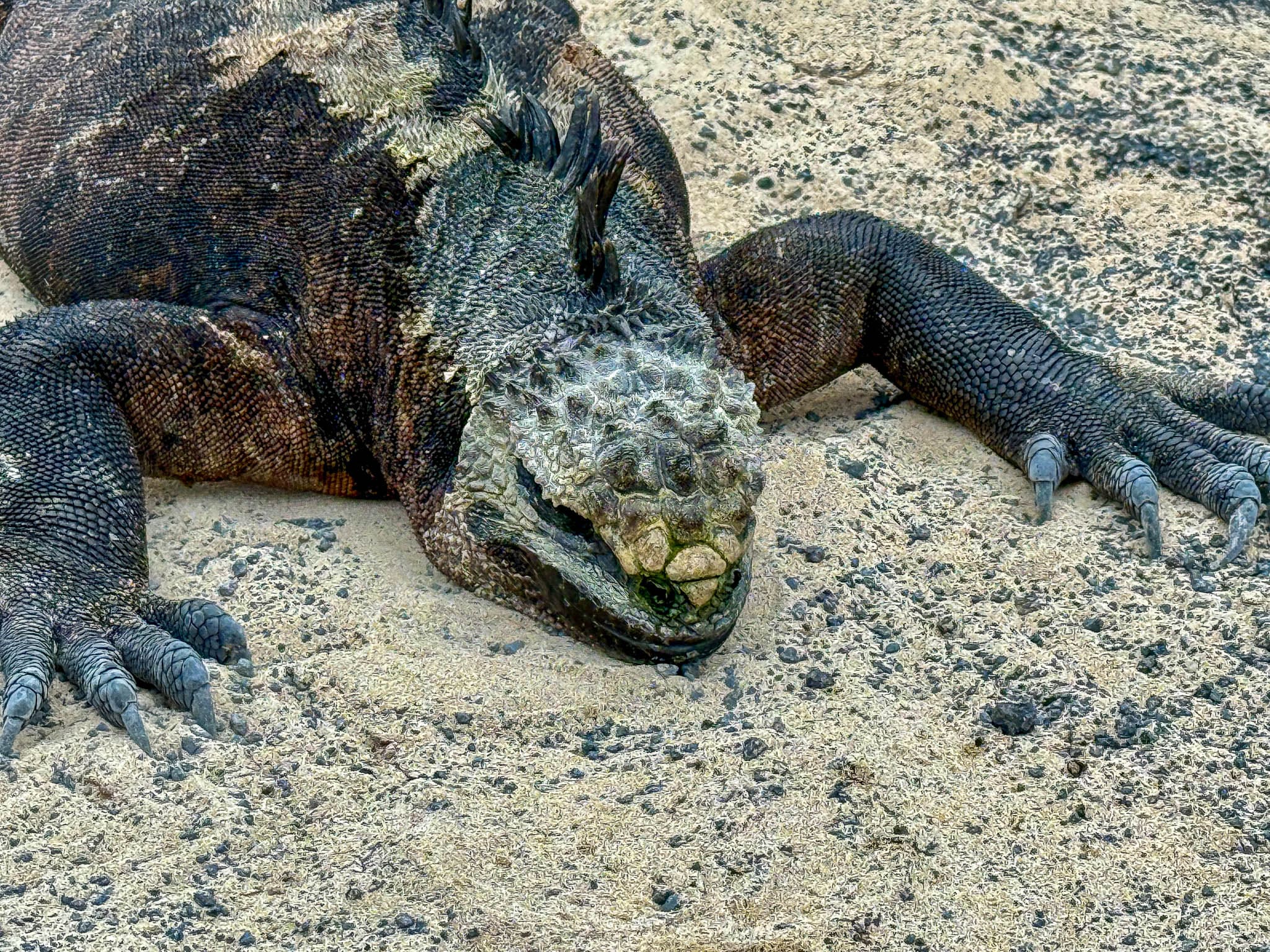
A lunar landscape of black lava covered with bright lichens, and dozens of baby marine iguanas crawling everywhere.
Shark Channel
A narrow formation where dozens of white-tipped reef sharks sleep stacked together in shallow warm water.
One of the wildest sights of the entire trip.
Snorkelling
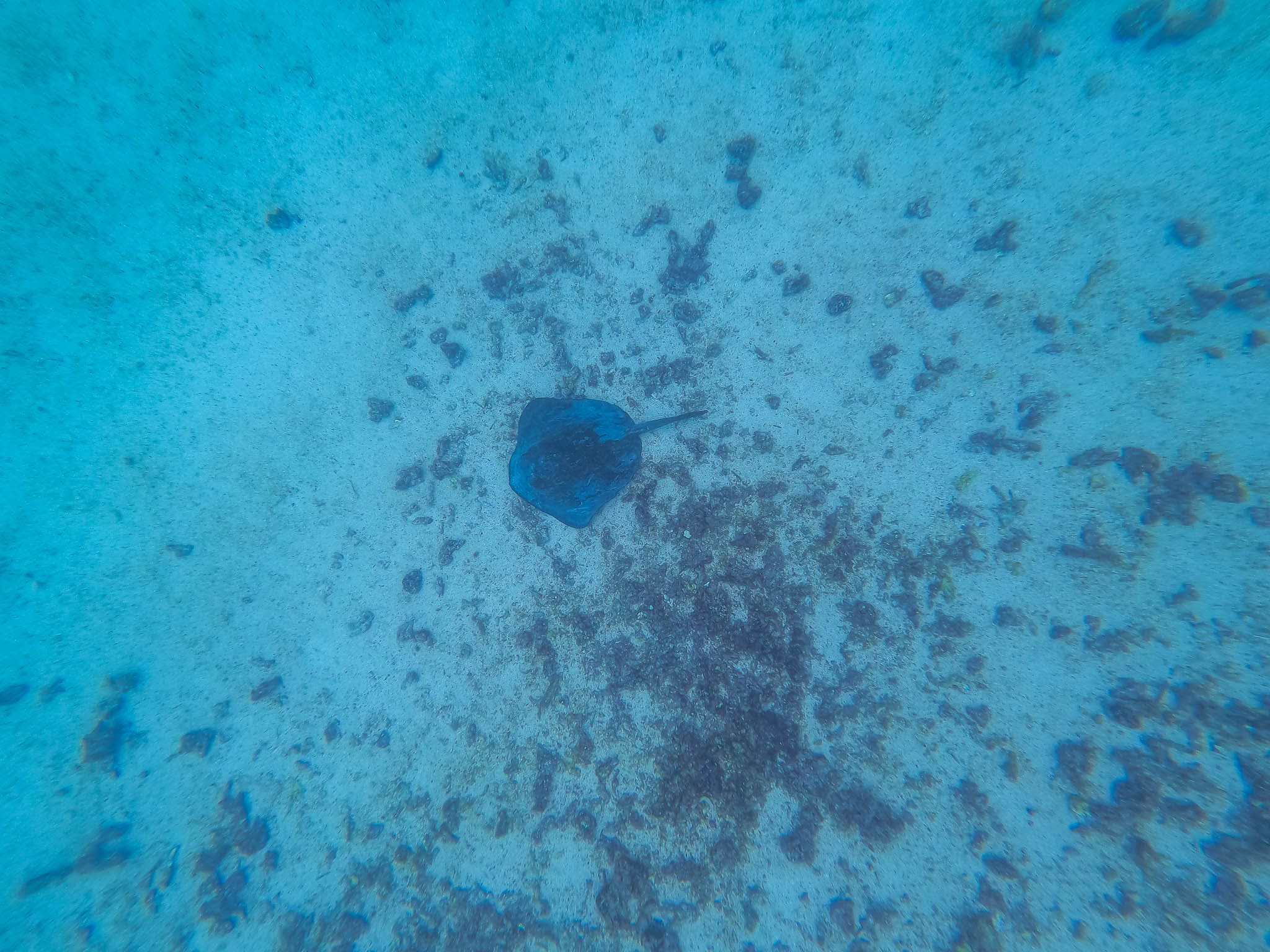
More turtles, fish, another ray and volcanic formations.
USD 60 per person
Ending the day at Zaroa, a local craft brewery, highly recommended.
Day 8 — Sierra Negra Volcano & Sulfur Mines
A full day exploring one of the world’s largest volcanic calderas.
4×4 Ride + Viewpoints
They drove us up the volcano, stopping at beautiful miradors.
Sierra Negra Crater
Huge and covered with forests of ferns inside.
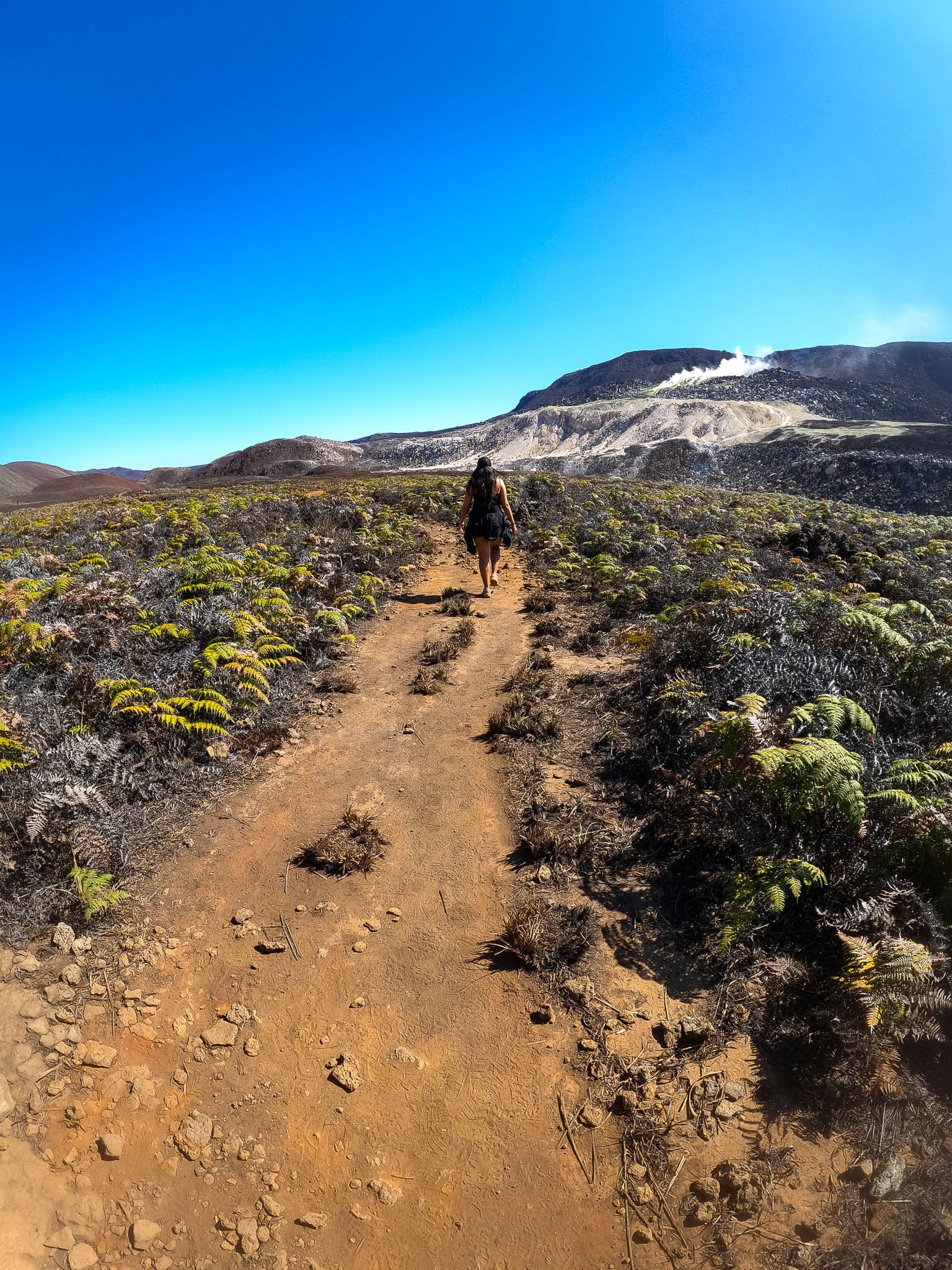
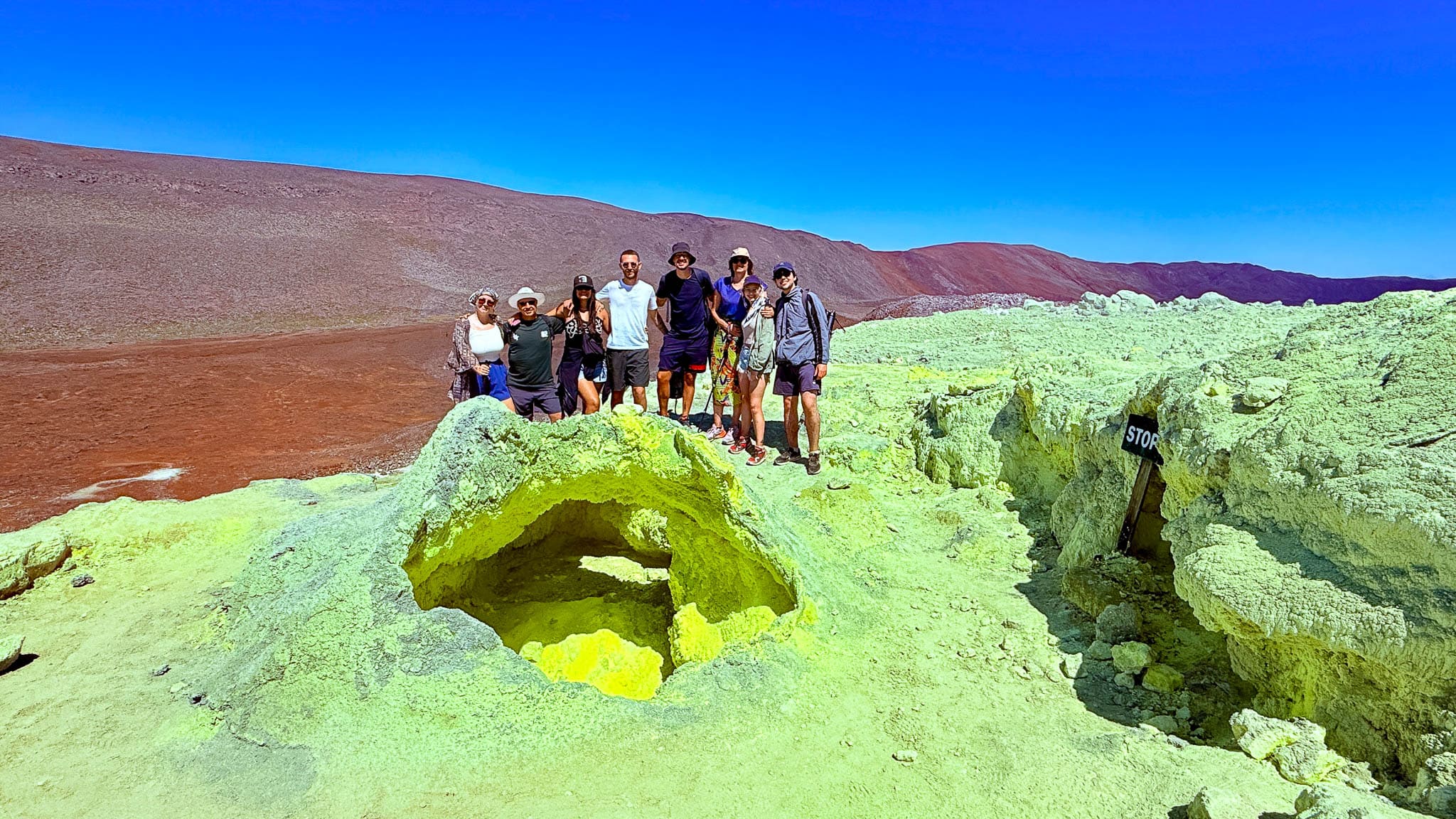
Sulphur Mines
A surreal fluorescent-yellow landscape of sulfur with steaming fumaroles — you can feel the warmth of the volcano beneath your feet.
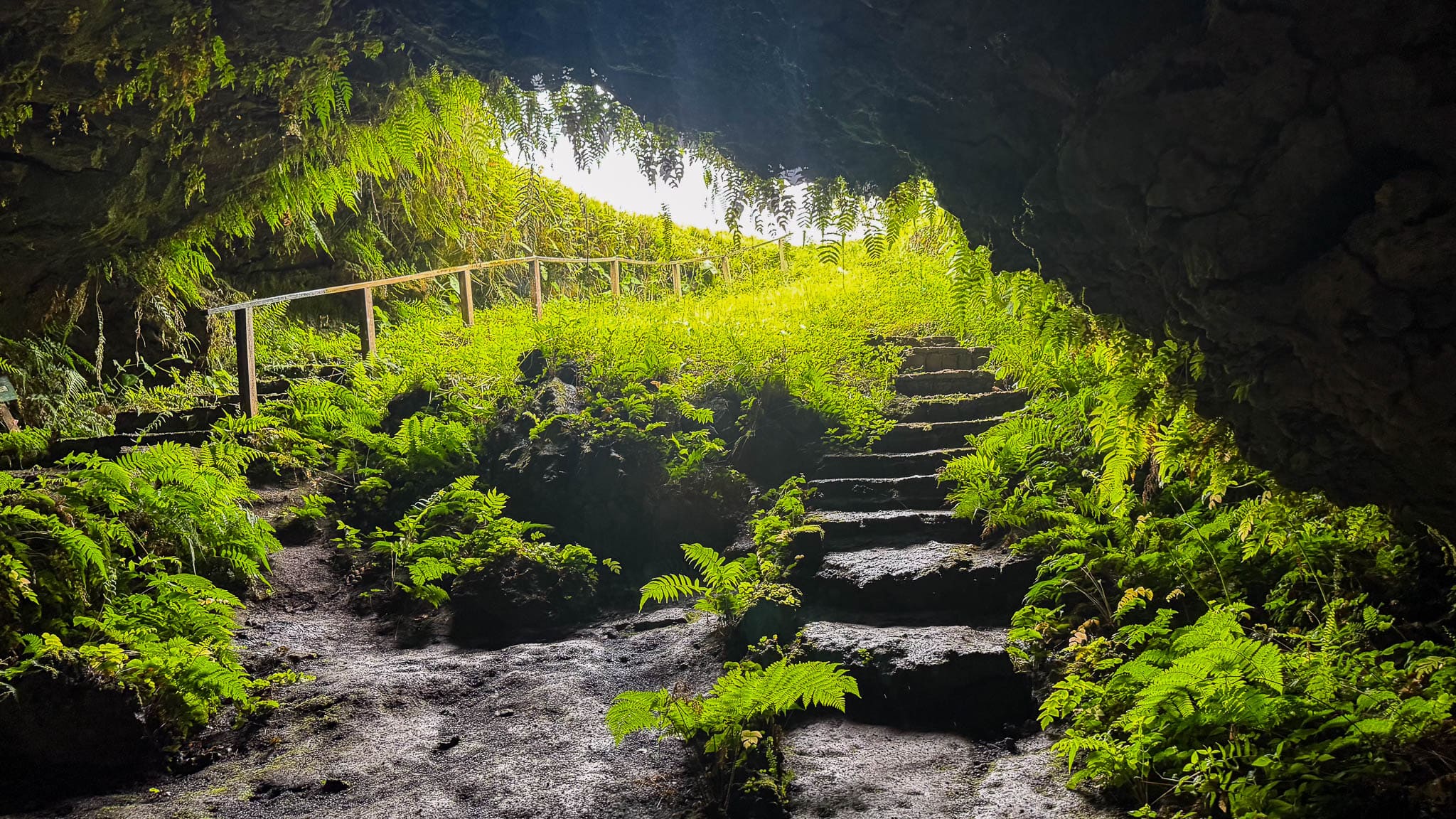
Cueva de Sucre
A mossy, fern-covered cave — completely different from what you just saw at the crater.
Organic Farm Tasting
We tried papaya, oranges, bananas, passion fruit, and chilled sugarcane juice, perfect after the heat.
USD 60 per person (includes lunch)
Day 9 — Wall of Tears (Muro de las Lágrimas)
After lunch we took a taxi to the trail entrance.
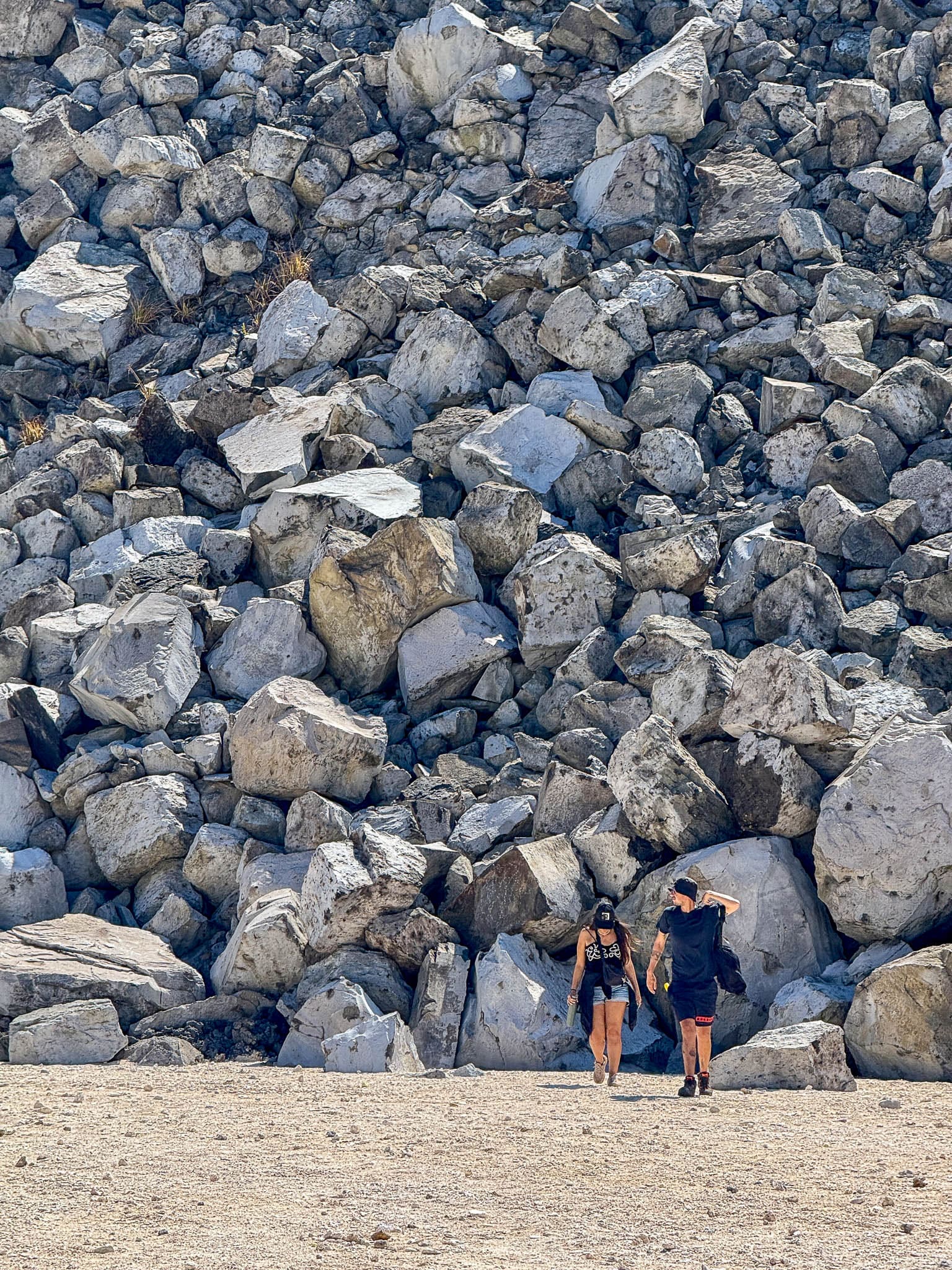
A Dark Chapter
Built between 1945–1959 by prisoners of a penal colony, the Wall of Tears is a massive volcanic rock structure created under brutal conditions. Many prisoners died while building it. The atmosphere here feels heavy, and intentionally so.
Continuing uphill takes you to the site of a former U.S. radar station from WWII, installed as part of the Pacific defence network.
On a brighter note, we saw a small tortoise in the wild. And lots of Marine Iguanas.
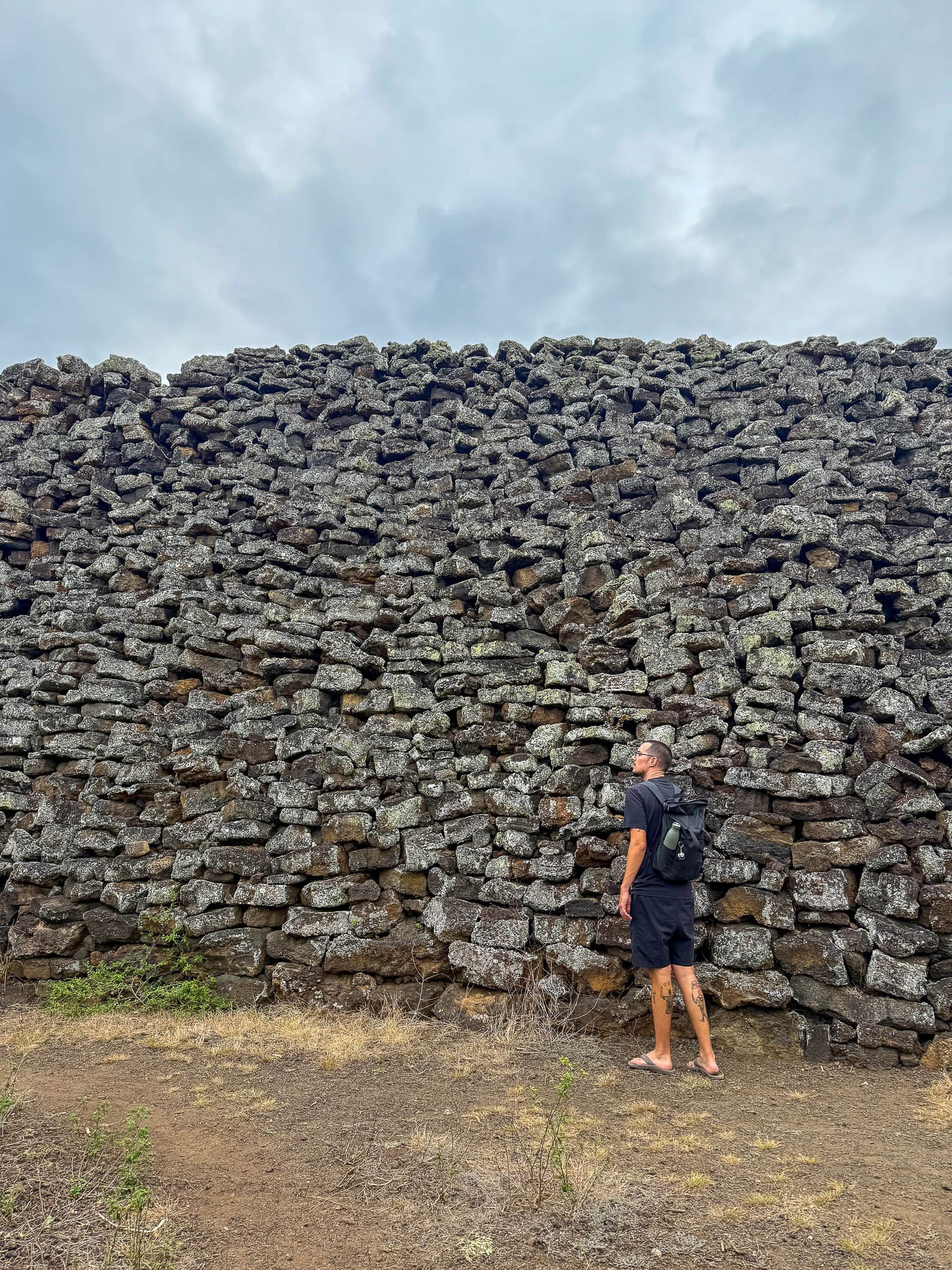
Stops on the Way Back
- El Estero (freshwater meets the sea)
- El Túnel (lava tunnel from ancient eruptions). You can get inside and explore, we saw crabs in the ceiling of the cave.
- Playa del Amor (marine iguana nesting grounds)
The trail closes at 5 PM. Keep this in mind to organise your return to town.
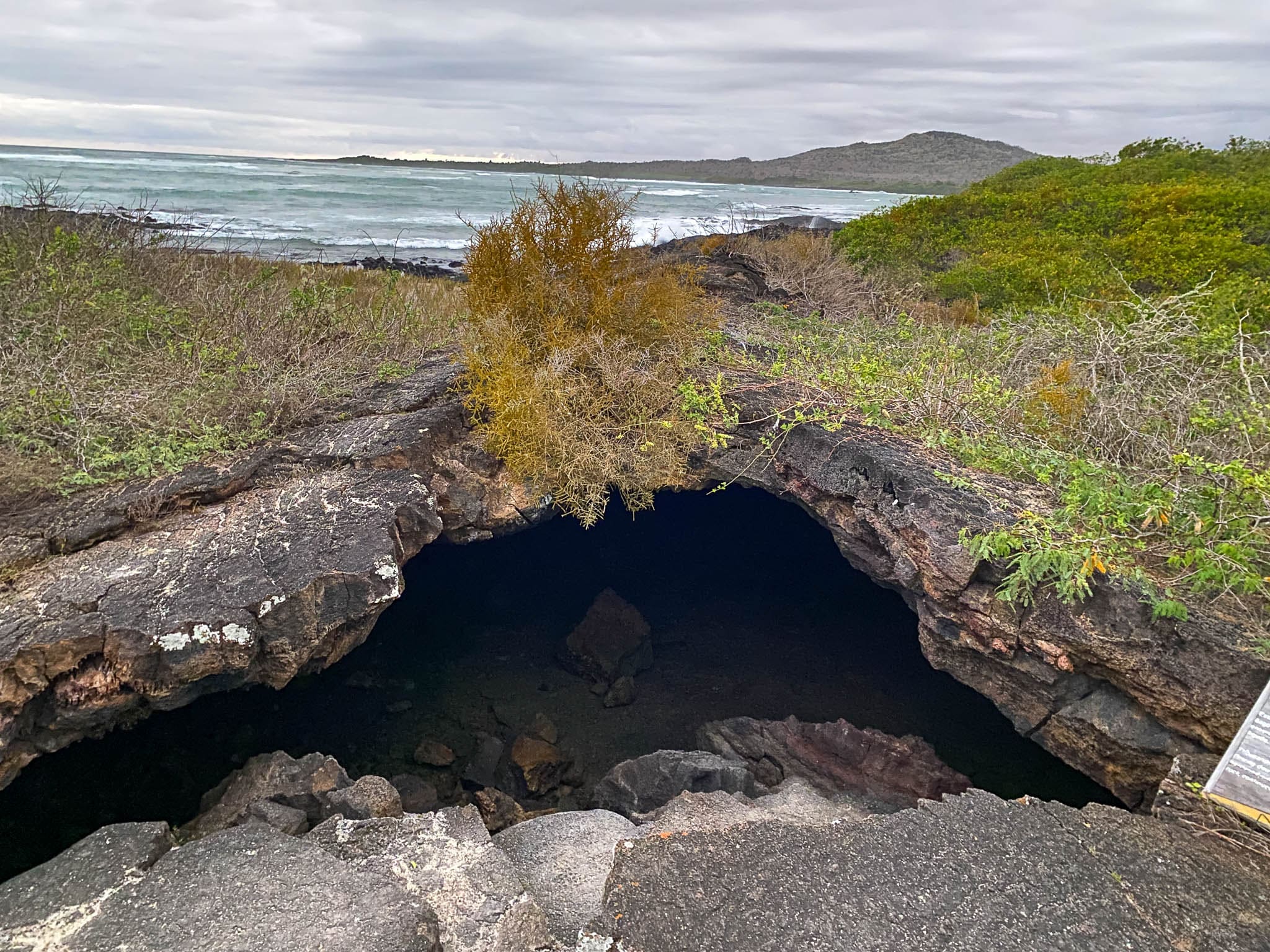
Day 10 — Return to Santa Cruz & Highlands
We took the 6 AM ferry back to Santa Cruz. The taxi-boat to reach it again cost USD 1 per person.
After leaving our bags at the hotel, we started the Highlands Tour.
Los Gemelos
Two massive sinkholes — collapsed lava chambers surrounded by lush scalesia forest.
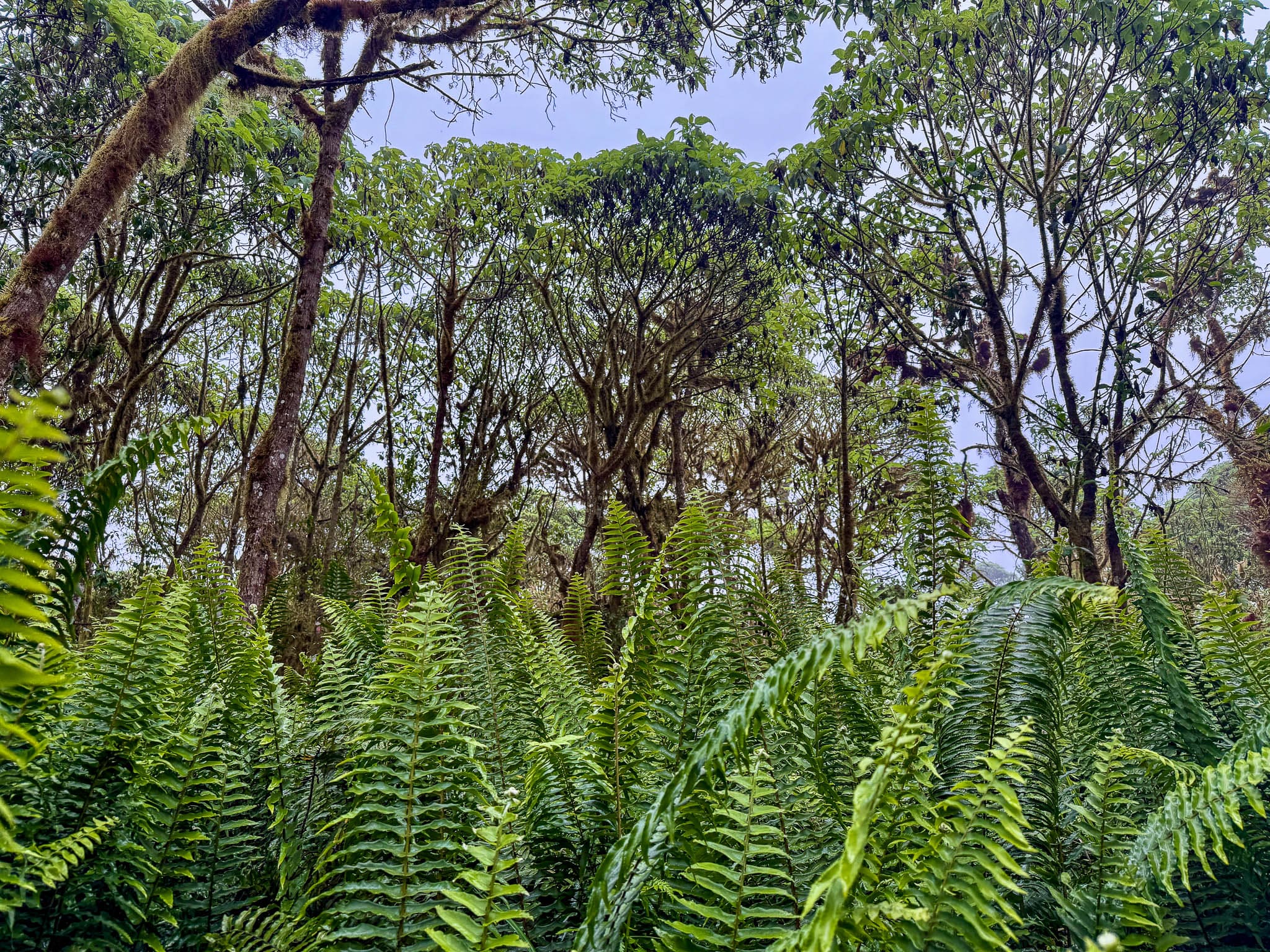
Chato Ranch
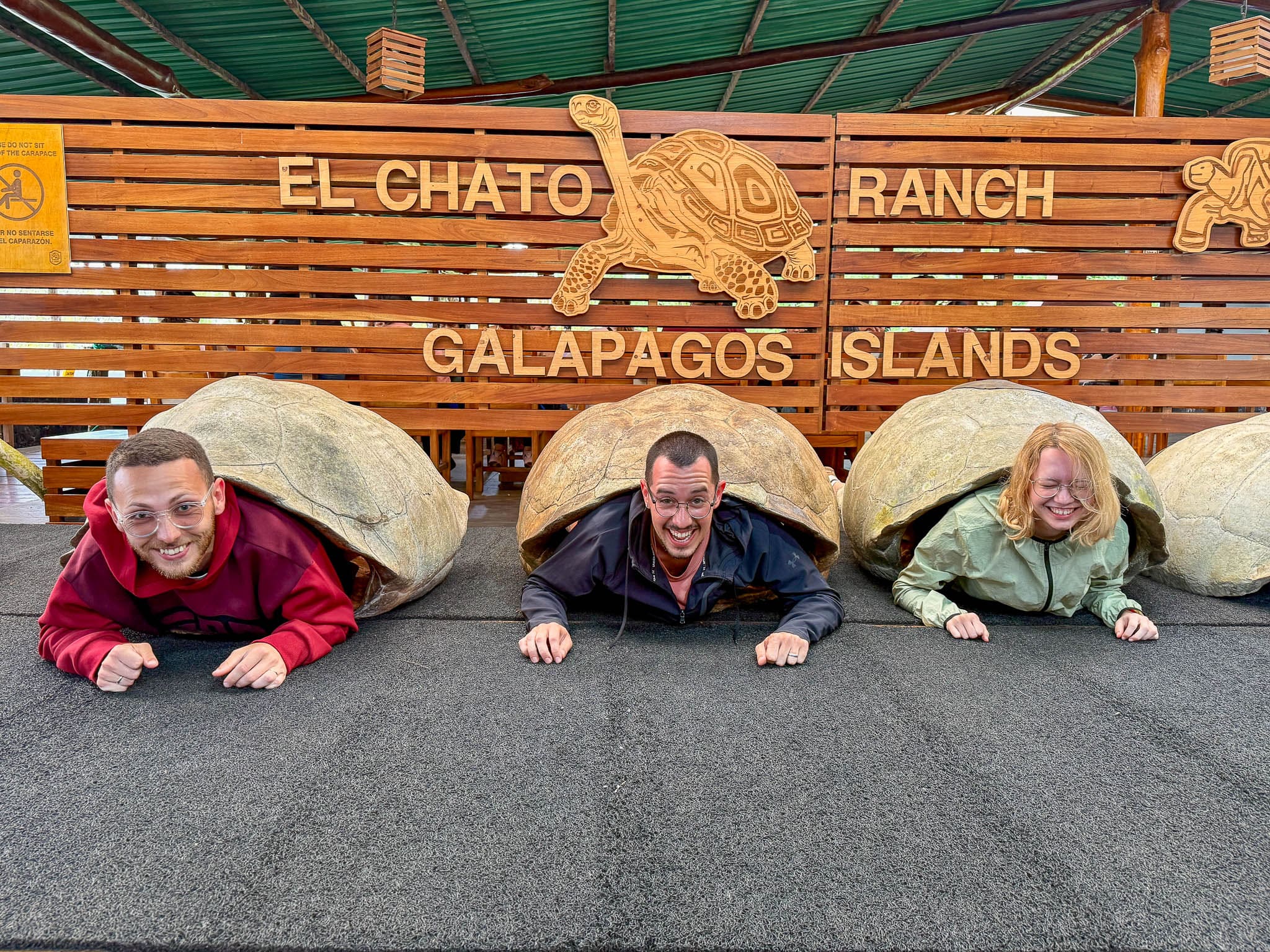
USD 10 entrance (guide included)
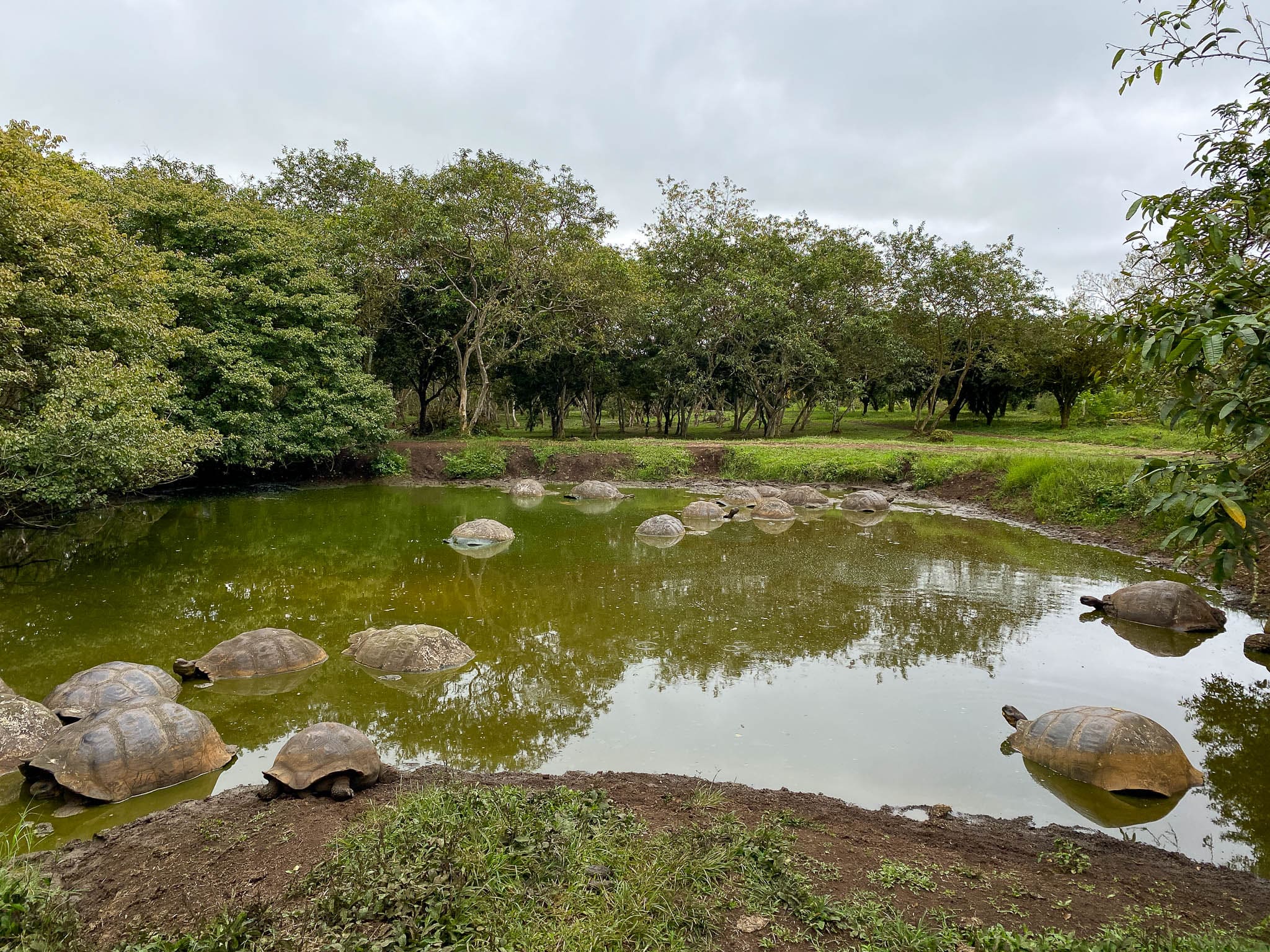
The best place to see giant tortoises in the wild. They wander freely among cows, soaking in ponds or grazing calmly. You can also climb inside old tortoise shells for fun photos.
The tour ends inside natural lava tunnels formed by ancient magma flows.
Tour price: USD 25 + entrance fee
Farewell to the Galapagos
As we arrived at the Itabaca Channel to cross back to Baltra on our final day, the islands gifted us one last unforgettable moment: hundreds of blue-footed boobies hunting together, diving like arrows into the water in perfect synchrony. A breathtaking display of nature — and the perfect goodbye.
Top Tips for Galapagos
1. Bring your own snorkelling mask.
You’ll use it every day.
2. Pack seasickness tablets.
Ferries and tours can get extremely rough.
3. Book tours on the islands.
Cheaper, more options, easier to negotiate.
4. Carry cash.
ATMs are limited and sometimes empty.
5. Respect wildlife distance.
Animals are friendly and curious — don’t touch.
6. Use reef-safe sunscreen.
Protect the marine ecosystem.
7. Bring a waterproof bag and case.
You’ll be around water constantly.
8. Start hikes early.
Midday heat can be intense.
9. Travel light.
Inter-island ferries are cramped.
10. Disconnect.
Signal is weak everywhere — enjoy the quiet.
If you are travelling through South America! Have a look of my other posts! And always travel to exist!
Related Posts



Having lived and worked in 7 countries and explored more than 35 has taught me to be skilled in travel planning to see and enjoy as much as possible!
Hopefully, I can help you out and provide some insights from my journeys, both the good and the bad.
Always searching for new adventures!
More about me!

